


Convertible in Salmon, ID
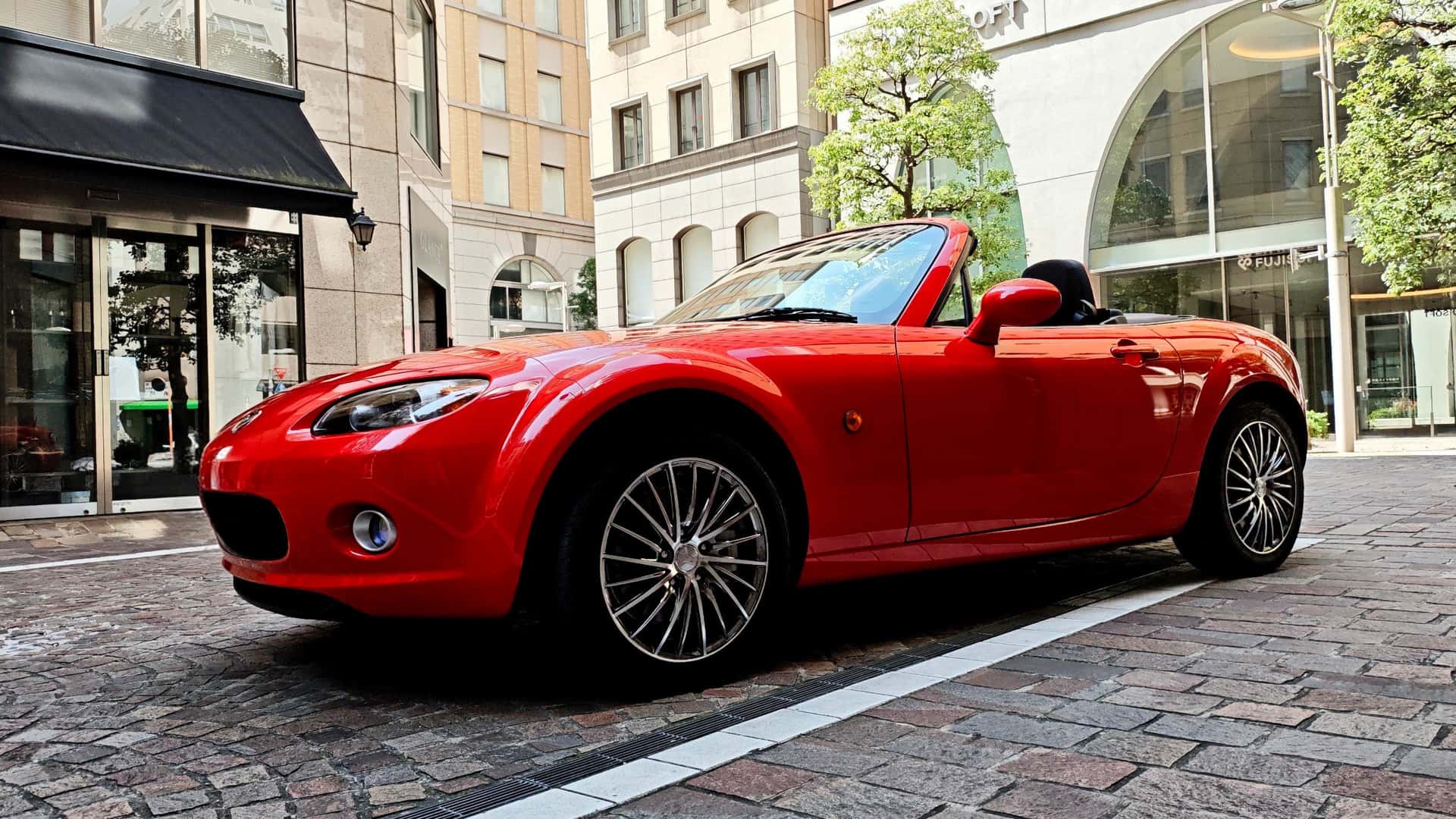
A convertible combines open-air driving capability with the structure, powertrain, technology, and road manners of a conventional passenger vehicle. Its defining feature is a retractable, folding, or removable roof that allows the cabin configuration to change according to weather and driving conditions. Modern convertibles include compact two-seat roadsters, four-seat touring cars, performance-focused sports cars, and premium grand tourers. Each category balances roof packaging, structural reinforcement, passenger space, cargo capacity, ride quality, and handling in a different way.
Convertible Body Styles and Roof Configurations
Convertible design begins with the relationship between the body structure and the retractable roof. Removing a fixed steel roof changes how torsional and impact forces travel through a vehicle, so engineers reinforce the floorpan, door sills, windshield frame, crossmembers, bulkheads, and other structural areas. These measures help the body resist twisting over uneven pavement and maintain consistent suspension geometry. Roof material and operating design also influence cabin insulation, exterior proportions, vehicle weight, rear visibility, and cargo capacity.
Soft-Top Convertible Systems
A soft-top convertible generally uses a layered fabric roof supported by metal, composite, or aluminum bows. Contemporary designs may incorporate an exterior weather layer, acoustic insulation, an interior headliner, and a heated glass rear window to improve comfort and visibility. Power-operated systems typically use electric motors, hydraulic components, or a coordinated combination of mechanisms to raise and lower the roof in a controlled sequence. Soft tops normally require less storage volume than folding metal roofs, which can help preserve trunk space and reduce overall mass.
Soft-top construction can also affect cabin refinement at highway speeds. A multilayer roof may reduce wind noise and temperature transfer more effectively than a simple fabric assembly, although performance varies by design and condition. Roof tension should remain even when the top is closed, without excessive sagging, wrinkles, or loose sections around the frame. The leading edge should meet the windshield header cleanly, and side-window seals should maintain consistent contact without visible gaps. Any unusual fluttering, rattling, or air leakage during a road test may indicate worn seals, misalignment, damaged fabric, or a roof mechanism that requires closer inspection.
Retractable Hardtops and Removable Panels
A retractable hardtop uses rigid roof sections that fold into a designated storage area, often beneath the rear deck. This configuration can provide a cabin appearance and acoustic character similar to a fixed-roof coupe when the top is closed. The added panels, hinges, motors, latches, position sensors, and control modules can increase vehicle weight and reduce available cargo volume, particularly when the roof is stowed. Some convertible-style vehicles use manually removable panels, detachable center sections, or modular roof assemblies that retain more of the original upper structure.
Retractable hardtop operation requires sufficient clearance around the rear of the vehicle because the deck panel or roof sections may move beyond the normal body outline during the folding sequence. Many systems include sensors that prevent operation if the trunk divider is not positioned correctly, the cargo area is obstructed, or the vehicle is moving beyond a permitted speed. Removable roof panels require a secure storage location that protects painted surfaces, seals, latches, and glass components from damage. Drivers should confirm that all panels fit tightly and that locating pins, handles, and locking mechanisms operate without binding.
Convertible Performance and Structural Engineering
Convertible performance involves more than acceleration or engine output. Chassis stiffness, weight distribution, suspension calibration, steering response, braking capability, tire selection, and aerodynamic behavior all influence the way an open-top vehicle operates. Structural reinforcement added to compensate for the missing fixed roof may affect curb weight, center-of-gravity placement, and ride characteristics. Manufacturers account for these changes through targeted reinforcement and model-specific chassis tuning. A properly engineered convertible can provide composed handling while maintaining the comfort expected from its intended vehicle class.
Powertrain and Drivetrain Characteristics
Convertible powertrains may include naturally aspirated engines, turbocharged engines, hybrid systems, or fully electric drive units, depending on the model category. Output figures provide useful context, but transmission programming, throttle response, torque delivery, gearing, traction, and vehicle mass also shape everyday performance. Rear-Wheel Drive is common among traditional roadsters and performance convertibles because it separates steering and propulsion duties. All-Wheel Drive can improve acceleration traction and stability on variable road surfaces, although it may add weight and mechanical complexity. Front-Wheel Drive convertibles are less common, but they can provide efficient packaging and predictable handling characteristics in models designed around that layout.
Transmission design also changes the driving character of a convertible. A manual transmission can provide direct control over gear selection, while a conventional automatic or dual-clutch transmission may deliver faster shifts and easier operation in traffic. Selectable drive modes can alter throttle mapping, shift timing, steering weight, damper behavior, exhaust settings, or stability-control intervention on appropriately equipped vehicles.
Chassis Control and Driving Balance
Suspension tuning directly affects convertible ride quality, road isolation, and cornering behavior. Sport-focused models may use firmer springs, adaptive dampers, limited-slip differentials, larger brakes, performance tires, and selectable chassis modes to produce quicker responses. Touring-oriented convertibles may place greater emphasis on controlled body movement, cabin comfort, and stable highway operation. Electronic stability control, traction control, brake-based torque management, and active suspension systems can help the chassis respond to changing grip levels.
Body stiffness is particularly important in a convertible because excessive flex can influence steering response and suspension consistency. Signs of reduced structural refinement may include steering-column vibration, dashboard movement, cowl shake, or rattles when traveling over broken pavement. Some movement can be characteristic of an older open-top design, but pronounced vibration deserves closer evaluation. Wheel and tire choices can also affect ride quality because low-profile tires transmit more road impact into the reinforced body structure.
Aerodynamics and Open-Cabin Behavior
Aerodynamic behavior changes substantially when a convertible roof is lowered. Air moving over the windshield can create turbulence within the cabin, especially at higher speeds or when side windows are lowered. Windshield angle, beltline height, mirror placement, rear deck shape, and seating position all influence airflow around the occupants. Some vehicles use active aerodynamic elements or carefully shaped body panels to support high-speed stability and manage lift. The driver should evaluate open-roof behavior at several legal speeds because wind noise, buffeting, and cabin airflow can vary considerably from one convertible design to another.
Cabin Technology and Occupant Protection
The passenger compartment of a convertible must function effectively with the roof both raised and lowered. Seat design, climate controls, audio tuning, storage placement, rear visibility, wind management, and control accessibility can feel different in an open cabin. Engineers may adjust speaker output, microphone sensitivity, ventilation strategies, and safety-system calibration to account for increased airflow and ambient noise. Some models include automatic roof controls that coordinate windows, latches, deck panels, and interior alerts through a single switch.
Passenger Comfort and Wind Management
Airflow management is a significant part of convertible comfort. Wind deflectors, windshield angle, side-window height, head restraint design, and cabin shape determine how much turbulence reaches the occupants when the roof is open. Raising the side windows may reduce buffeting, while a mesh or solid wind blocker positioned behind the front seats can create a calmer seating area. Heated seats, ventilated seats, neck-level air outlets, and multi-zone climate systems may extend comfortable open-top use across a broader range of temperatures.
Seating capacity requires careful interpretation because a vehicle marketed as a four-seat convertible may provide limited rear legroom or headroom. Roof mechanisms, reinforced body panels, and wheel housings can reduce usable space around the rear seats. Front-seat travel may also affect rear passenger room, particularly in compact models with short wheelbases. Entry and exit can require folding and sliding the front seats, which may be less convenient during frequent passenger use.
Infotainment and Driver Assistance Systems
Convertible vehicles can include digital instrument displays, touchscreen interfaces, smartphone integration, navigation, premium audio, wireless device charging, and voice controls. Screen visibility is especially important because direct sunlight can make low-contrast displays difficult to read with the roof lowered. Audio systems may use speed-sensitive volume adjustment or roof-position data to compensate for changes in cabin acoustics. Driver assistance features can include blind-spot monitoring, parking sensors, camera systems, forward collision alerts, lane support technology, and adaptive cruise control, depending on the vehicle and equipment level.
Roof operation may also be integrated with the vehicle’s electronic network. Control modules can monitor latch position, trunk-divider placement, window movement, vehicle speed, battery voltage, and hydraulic or electric actuator status. A fault in one monitored component may interrupt the operating sequence to protect the system from damage. Clear instrument-panel messages can help identify the condition that prevents roof movement, although persistent warnings require proper diagnosis.
Occupant Protection and Visibility
Convertible safety engineering may include reinforced windshield pillars, strengthened door structures, fixed rollover hoops, or deployable rollover protection systems. Side airbags and seat-mounted restraints may be designed to provide coverage without relying on a fixed roof rail. Roof-up visibility can vary because fabric panels, compact rear windows, and wide rear pillars may create larger blind areas than those found in some coupes or sedans. Rearview cameras, blind-spot monitoring, and parking sensors can support low-speed maneuvering, but clear mirrors and direct observation remain necessary.
Convertible Ownership and Selection Factors
Convertible ownership requires several practical evaluations that differ from those associated with a fixed-roof vehicle. Structural condition, rollover provisions, roof operation, water management, storage capacity, and seasonal care deserve close attention before purchase. The retractable roof introduces moving parts and sealing surfaces that should be operated and inspected carefully. Vehicle age, usage history, maintenance condition, and environmental exposure can affect the roof system as much as mileage affects mechanical components.
Cargo Capacity and Daily Usability
Cargo space varies considerably among convertible categories. A compact roadster may provide room for only a few small bags, while a larger touring convertible may accommodate luggage for an extended drive. Roof position can affect usable trunk volume because the folded top may occupy part of the cargo compartment or require a movable divider to remain in place. Interior storage may also be limited by narrow door panels, compact center consoles, structural reinforcements, and roof components positioned behind the seats.
Daily usability also depends on seating access, outward visibility, ground clearance, turning radius, and cabin noise with the roof closed. A low seating position may suit a sports-oriented roadster but can make entry and exit more demanding for some drivers. Long doors can improve access to the front seats, although they may require additional clearance in narrow parking spaces. Climate performance should be tested with the top raised because roof insulation and window sealing influence heating and cooling effectiveness.
Roof Care and Seasonal Maintenance
Regular roof care helps preserve appearance, sealing performance, and mechanical operation. Soft-top fabric should be cleaned with products intended for the specific material, while abrasive tools and harsh chemicals should be avoided. Weather seals benefit from periodic inspection for cracks, compression, debris, and misalignment, and drainage channels should remain clear so water can exit the roof area. Retractable mechanisms should operate smoothly without hesitation, unusual noise, or uneven panel movement, and the roof should not be forced if an obstruction is present. During extended storage, the vehicle should remain dry, clean, and protected from conditions that could damage the roof fabric, seals, battery, tires, or interior surfaces.
Seasonal operation also requires attention to tire design, battery condition, fluid levels, and cabin moisture. A convertible stored for long periods may develop flat-spotted tires, a discharged battery, or mildew if ventilation and moisture control are inadequate. Snow, ice, and heavy debris should be removed carefully because excess loading can strain fabric roofs and operating components. Roof movement should not be attempted when panels, seals, or hinges are frozen.
Convertible Inspection and Test-Drive Priorities
A convertible evaluation should begin with the roof in both closed and open positions. The system should complete its full operating cycle without warning messages, binding, excessive vibration, or visible misalignment. With the roof closed, the cabin should be checked for unusual wind noise, water staining, damaged seals, loose trim, and irregular panel gaps. The road test should include braking, steering, acceleration, low-speed maneuvering, and travel over uneven pavement to reveal suspension noise or excessive body movement.
Selecting the appropriate convertible also requires matching its engineering characteristics to expected roads, climate, traffic patterns, and travel distances. Ground clearance, tire type, drivetrain layout, roof insulation, heating performance, and cargo capacity may matter as much as styling or engine output. A two-seat roadster can prioritize compact dimensions and responsive handling, while a four-seat touring convertible can provide greater passenger flexibility. Performance models may add specialized cooling, larger brakes, aggressive tire packages, and configurable chassis controls, while grand-touring designs may place greater emphasis on ride comfort and cabin refinement.
Schedule a Test RIde in Salmon, ID
Our team can help you compare convertible body styles, roof designs, drivetrain configurations, cabin features, and ownership considerations. Visit Salmon River Quality Motors in Salmon, ID, to discuss the type of open-top vehicle that aligns with your driving plans. We encourage you to inspect roof operation, seating comfort, cargo space, outward visibility, and road behavior before making a decision. A focused test drive can demonstrate how a convertible performs with the roof raised and lowered. Contact us to inquire about current availability or arrange a convenient time to evaluate a vehicle.