


New Vehicles in Salmon, ID
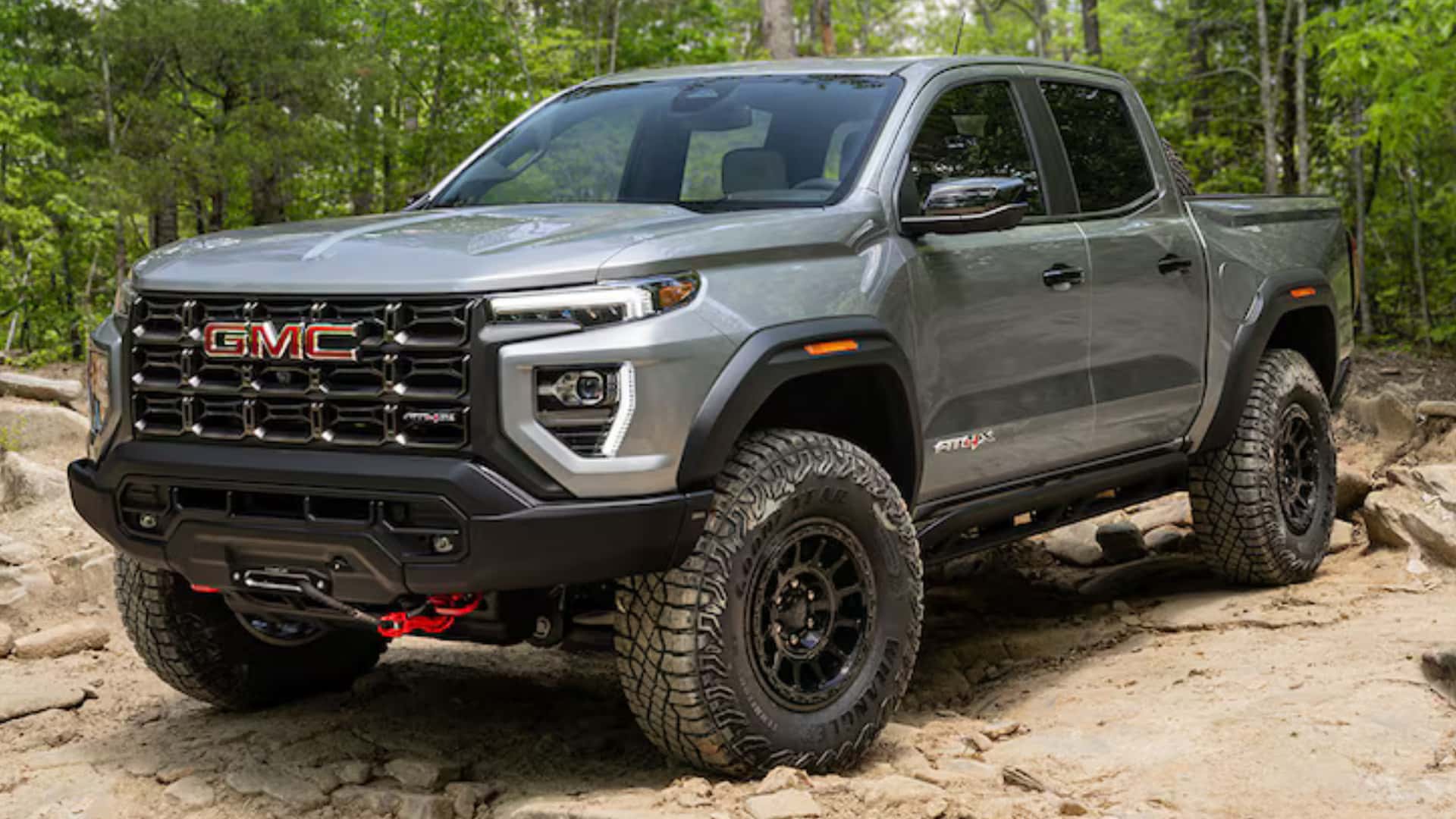
New vehicles integrate current powertrain engineering, updated safety technology, modern connectivity, and a wide range of configurations developed for specific transportation requirements. The category includes sedans, hatchbacks, crossovers, SUVs, pickup trucks, vans, hybrid vehicles, plug-in hybrids, and battery-electric models. Each vehicle type provides a distinct combination of passenger capacity, cargo flexibility, efficiency, traction, performance, and utility. Buyers can compare engine output, drivetrain architecture, towing ratings, payload limits, exterior dimensions, seating arrangements, and technology packages to identify a suitable configuration.
A new vehicle also gives drivers an opportunity to select equipment that closely matches regular travel, seasonal conditions, passenger needs, and cargo demands. Commuters may prioritize fuel economy, maneuverability, seating ergonomics, and low-speed driver assistance, while drivers who transport equipment may focus on payload, cargo access, torque delivery, and structural capacity. Families commonly evaluate rear-seat space, child-restraint accessibility, climate controls, storage compartments, and entry height. Drivers traveling through changing weather or varied terrain may place additional emphasis on traction management, tire specifications, ground clearance, All-Wheel Drive, or Four-Wheel Drive.
New Vehicle Categories and Body Configurations
New vehicle categories are defined by their structural architecture, interior packaging, dimensional proportions, and intended operating conditions. Body design influences passenger space, cargo flexibility, aerodynamic behavior, visibility, driving position, and weight distribution. Platform construction can also determine which engines, electric motors, batteries, transmissions, suspension layouts, and safety technologies are compatible with a vehicle. Some models emphasize paved-road efficiency and maneuverability, while others are engineered to accommodate heavy loads, challenging surfaces, or expanded passenger capacity.
Sedans, Hatchbacks, and Passenger Cars
Sedans generally use a three-box body layout with separate areas for the engine compartment, passenger cabin, and enclosed trunk. This configuration can support balanced handling, controlled aerodynamic drag, a lower center of gravity, and effective separation between passenger and cargo areas. Hatchbacks replace the conventional trunk lid with a larger rear liftgate, allowing the cargo compartment to connect directly with the passenger cabin when the rear seats are folded. Passenger cars may use Front-Wheel Drive, Rear-Wheel Drive, or All-Wheel Drive according to platform design and performance objectives. Available propulsion systems can include naturally aspirated gasoline engines, turbocharged engines, conventional hybrids, plug-in hybrids, and battery-electric powertrains.
Vehicle dimensions remain important when comparing new passenger cars because exterior size does not always provide a complete indication of interior space. Wheelbase length can influence rear-seat legroom, straight-line stability, and ride quality, while overall width affects shoulder room and parking requirements. Roofline shape can influence rear headroom, cargo access, and aerodynamic efficiency. Trunk volume should be considered alongside opening width, load height, seat-folding capability, and the shape of the available storage area.
Crossovers and SUVs
Crossovers typically use unibody construction, which integrates the body and primary structure into a unified assembly. This approach commonly supports efficient interior packaging, manageable vehicle weight, and handling characteristics suited to daily road use. SUVs range from compact two-row models to larger three-row configurations with increased passenger capacity and cargo volume. Available capability systems may include selectable drive modes, hill-descent control, underbody protection, All-Wheel Drive, Four-Wheel Drive, and increased ground clearance.
Interior flexibility is another defining element among new crossovers and SUVs. Second-row seats may slide, recline, fold, or divide into multiple sections to balance passenger and cargo requirements. Three-row models can provide additional seating, although third-row legroom, access, and cargo space behind the seats vary by vehicle size and packaging. A power liftgate, low cargo floor, adjustable load surface, or underfloor compartment can improve routine loading convenience.
Pickup Trucks and Commercially Oriented Vehicles
Pickup trucks are designed around an open cargo bed and are available in multiple cab, bed, wheelbase, and chassis configurations. Important specifications can include payload capacity, conventional towing limits, hitch ratings, axle ratios, gross vehicle weight ratings, and gross combined weight ratings. Light-duty trucks often balance passenger comfort with cargo hauling and recreational towing, while heavy-duty models place greater emphasis on sustained load management, cooling capacity, and high-output torque. Cab selection affects rear-seat space and overall vehicle length, while bed length influences cargo volume and maneuverability.
Vans and commercially oriented new vehicles provide another approach to passenger movement and enclosed cargo transportation. These models may offer configurable seating, low load floors, wide door openings, multiple roof heights, or specialized upfit compatibility. Passenger vans prioritize seating capacity and cabin access, while cargo vans generally maximize enclosed storage volume and provide mounting areas for equipment. Chassis-based commercial vehicles may support purpose-built bodies designed for specific operational requirements.
New Vehicle Powertrains and Performance Systems
Powertrain selection directly affects acceleration, efficiency, towing behavior, traction, noise, and general driving characteristics. New vehicles use a diverse range of propulsion systems, from conventional internal-combustion engines to hybrid and fully electric platforms. Peak horsepower represents only one part of overall performance because torque output, transmission ratios, curb weight, thermal management, and throttle calibration also influence response. The same engine can behave differently when paired with another transmission, axle ratio, drivetrain, or body configuration.
Gasoline Engines and Transmission Designs
Modern gasoline engines may use direct fuel injection, variable valve timing, turbocharging, cylinder deactivation, or other control strategies to balance output and fuel consumption. Naturally aspirated engines generally produce increasing power as engine speed rises, while turbocharged engines can provide stronger torque across a broader operating range. Engine displacement remains relevant, but induction design, combustion control, cooling capacity, and electronic calibration also shape performance. Smaller turbocharged engines may deliver substantial low-speed torque, while larger engines may provide power characteristics suited to towing or sustained loads.
Automatic transmissions can use conventional torque converters, continuously variable mechanisms, automated dual-clutch assemblies, or electrified drive units. A higher gear count does not automatically indicate better operation because ratio spacing, shift programming, cooling capacity, and integration with the engine remain equally important. Continuously variable transmissions adjust their operating ratio without traditional fixed gear steps, which can help maintain efficient engine speed under changing loads. Dual-clutch transmissions use separate clutch mechanisms for alternating gear sets and can provide rapid shifts in performance-oriented applications.
Hybrid and Electric New Vehicles
Hybrid vehicles combine an internal-combustion engine with one or more electric motors and a traction battery. The electric portion of the system may assist acceleration, recover energy during deceleration, and support limited propulsion without continuous engine operation. Plug-in hybrids use larger rechargeable battery packs and can provide a dedicated electric driving range before continuing through hybrid operation. Battery-electric vehicles rely entirely on electric motors and store propulsion energy in a high-voltage battery.
Electric motors produce torque differently from combustion engines, often providing immediate response from low speed. Regenerative braking allows an electrified vehicle to recover part of its kinetic energy during deceleration and return that energy to the battery. The strength of regenerative deceleration may be fixed, adjustable, or linked to selectable drive modes. Battery temperature, road speed, climate-control use, terrain, and driving behavior can influence energy consumption and available range.
Front-Wheel, Rear-Wheel, and All-Wheel Drive
Front-Wheel Drive layouts place the engine and primary drive components near the front axle, which can support efficient cabin packaging and predictable traction in many conditions. Rear-Wheel Drive separates steering and propulsion duties between the axles, a layout frequently used for performance vehicles, trucks, and larger utility platforms. All-Wheel Drive systems distribute torque to multiple wheels through mechanical couplings, electronically controlled clutches, or separate electric motors. Some systems operate continuously, while others direct additional torque to another axle when sensors identify wheel slip or increased acceleration demand.
Four-Wheel Drive systems used in trucks and utility vehicles may include a transfer case, low-range gearing, locking differentials, or terrain-specific control settings. Low-range gearing can provide controlled torque multiplication for slow travel over demanding surfaces. A locking differential can reduce the speed difference between wheels on the same axle to improve progress when traction is uneven. These features add capability, but they also require the driver to understand operating limits and appropriate engagement procedures. Drivetrain selection should reflect road conditions, tire type, load requirements, and intended use because additional driven wheels cannot compensate for unsuitable tires or excessive speed.
Safety, Connectivity, and Interior Technology
Technology in new vehicles extends across structural protection, driver assistance, infotainment, climate management, and vehicle monitoring. These systems are increasingly integrated through cameras, radar sensors, ultrasonic sensors, electronic control modules, and digital displays. Equipment availability can vary by trim, option package, production configuration, and body style. Drivers should verify which functions are installed on the exact vehicle being considered and understand how each system communicates alerts or interventions. Familiarity with these technologies is important because electronic assistance supports attentive driving but does not replace responsible vehicle control.
Structural Protection and Driver Assistance
Passive safety begins with the vehicle structure, crumple zones, restraint systems, seat construction, head restraints, and airbags. Active safety technologies may include automatic emergency braking, forward collision alerts, lane-departure warnings, lane-keeping assistance, blind-zone monitoring, rear cross-traffic alerts, and adaptive cruise control. Some new vehicles also incorporate pedestrian detection, traffic-sign recognition, surround-view cameras, parking sensors, and driver-attention monitoring. Individual systems may function only within defined speed ranges or under specific lane, lighting, road, and weather conditions.
Camera lenses, radar surfaces, and ultrasonic sensors must remain clear for consistent operation. Dirt, snow, ice, road debris, or accessories placed near a sensor can reduce its ability to detect surrounding objects. Windshield replacement, collision repairs, suspension changes, or wheel-alignment work may also require calibration of certain assistance systems. Warning messages should receive prompt attention because they can indicate blocked sensors, unavailable functions, or a need for inspection.
Infotainment and Connected Functions
Contemporary infotainment systems can combine navigation, smartphone integration, media controls, voice recognition, vehicle settings, and communication features within one interface. Screen size is only one consideration because processing speed, menu organization, physical control placement, and display visibility also affect usability. Digital instrument clusters may present speed, energy flow, assistance-system status, navigation prompts, or configurable trip data. USB ports, wireless device charging, Bluetooth® connectivity, and multiple audio zones can support occupants with different technology needs.
Software integration has become an important part of the new vehicle experience. Some functions can be adjusted through the center display, steering-wheel controls, voice commands, or dedicated physical switches. Digital interfaces should provide clear information without making routine climate, audio, or safety adjustments unnecessarily complex. Display brightness, font size, menu depth, and response time can affect usability in both daylight and darkness.
Comfort and Cabin Usability
Cabin design influences fatigue, outward visibility, passenger accommodation, and daily convenience. Relevant measurements include headroom, legroom, hip room, seat height, door-opening width, cargo-floor height, and space behind each seating row. Available comfort equipment may include heated or ventilated seats, power adjustments, driver memory, multiple climate zones, rear air vents, and noise-reducing glass. Seat cushion length, backrest shape, steering-column adjustment, and pedal placement can also affect long-distance comfort.
Storage design contributes directly to the usefulness of new vehicle interiors. Door pockets, center consoles, covered compartments, cupholders, seatback pockets, and underfloor spaces provide different levels of organization. Families may also evaluate child-seat anchor access, rear-door opening angles, and the ability to reach each seating position. Cargo-area lighting, tie-down points, adjustable floors, and seat-folding mechanisms can improve loading efficiency.
Specifications and New Vehicle Ownership Considerations
Selecting among new vehicles requires careful attention to specifications, maintenance requirements, and intended use over time. A model that performs well during a brief drive may still be unsuitable if its cargo area, seating layout, energy requirements, or load ratings do not match regular demands. Published figures should be evaluated for the exact configuration because wheel size, powertrain, axle ratio, roof design, seating arrangement, and optional equipment can alter capability. Tire construction and replacement requirements may also differ among efficiency-focused, performance-oriented, and all-terrain applications.
Capability Ratings and Configuration Details
Payload describes the allowable combined weight of occupants, cargo, and certain added equipment carried by a vehicle. Towing capacity addresses trailer load, but proper towing also depends on tongue weight, hitch equipment, axle limits, braking provisions, cooling systems, and gross combined ratings. Cargo volume describes available storage space, although the shape of the opening, floor, and interior panels can be as important as the published measurement. Ground clearance identifies the distance between the road surface and lower vehicle components, while approach, breakover, and departure geometry provide further context for uneven terrain.
Exterior dimensions also have a direct effect on vehicle usability. Overall length and wheelbase influence parking space requirements, turning behavior, rear-seat room, and ride stability. Width affects cabin space and maneuverability in garages, parking structures, and narrow roads. Height can influence entry, cargo access, aerodynamic drag, and clearance beneath structures.
Wheels, Tires, Suspension, and Braking
Wheel diameter and tire profile influence steering response, ride quality, road noise, impact absorption, and replacement selection. Larger wheels may provide a more immediate steering response, while taller tire sidewalls can supply additional cushioning over irregular pavement. Tire compounds and tread patterns are engineered for different combinations of traction, efficiency, temperature, noise, and surface conditions. Correct tire pressure remains essential because underinflation or overinflation can affect handling, braking, energy use, and tread wear.
Suspension systems may use struts, multilink arrangements, solid axles, air springs, adaptive dampers, or electronically controlled components according to the vehicle’s purpose. Brake systems can include ventilated discs, electronic brake-force distribution, brake assist, regenerative deceleration, and selectable energy-recovery settings on electrified models. Steering systems may prioritize low-speed assistance, highway stability, performance feedback, or a combination of these characteristics. An effective evaluation should include rough pavement, parking maneuvers, moderate braking, cornering, and steady highway travel when conditions permit.
Maintenance Access and Long-Term Practicality
New vehicle ownership involves scheduled inspections, fluid service, filters, tires, brakes, software updates, and component-specific maintenance. Service requirements can differ significantly among gasoline, hybrid, plug-in hybrid, diesel, and battery-electric platforms. Tire rotation remains relevant on many vehicles because weight distribution, driven axles, and high torque can create uneven wear patterns. Drivers should also consider access to the correct fuel grade, compatible charging equipment, replacement tire specifications, and qualified maintenance support.
Seasonal preparation is another practical consideration for new vehicles used in changing weather. Tire condition, battery performance, washer fluid, exterior lighting, wiper blades, and climate-control operation all influence dependable seasonal use. Electrified vehicles may use energy for battery conditioning and cabin heating or cooling, which can affect consumption during temperature extremes. Trucks and SUVs used on unpaved surfaces may require additional attention to underbody components, wheel wells, and air filters.
Visit Salmon River Quality Motors to Schedule a Test Ride
A direct inspection and test drive can clarify how seating position, visibility, control placement, cargo access, and powertrain response fit your transportation needs. Our team can help you compare relevant configurations and review equipment without losing sight of practical specifications. Visit Salmon River Quality Motors in Salmon, ID, to examine available new vehicles and discuss the features that matter for your driving environment. We invite you to inquire about current options and schedule a test drive for a closer assessment of comfort, technology, handling, and road behavior. Our team is ready to provide clear information as you evaluate the vehicle categories and capabilities that align with your daily requirements.