

Pre-Owned Vehicles in Salmon, ID
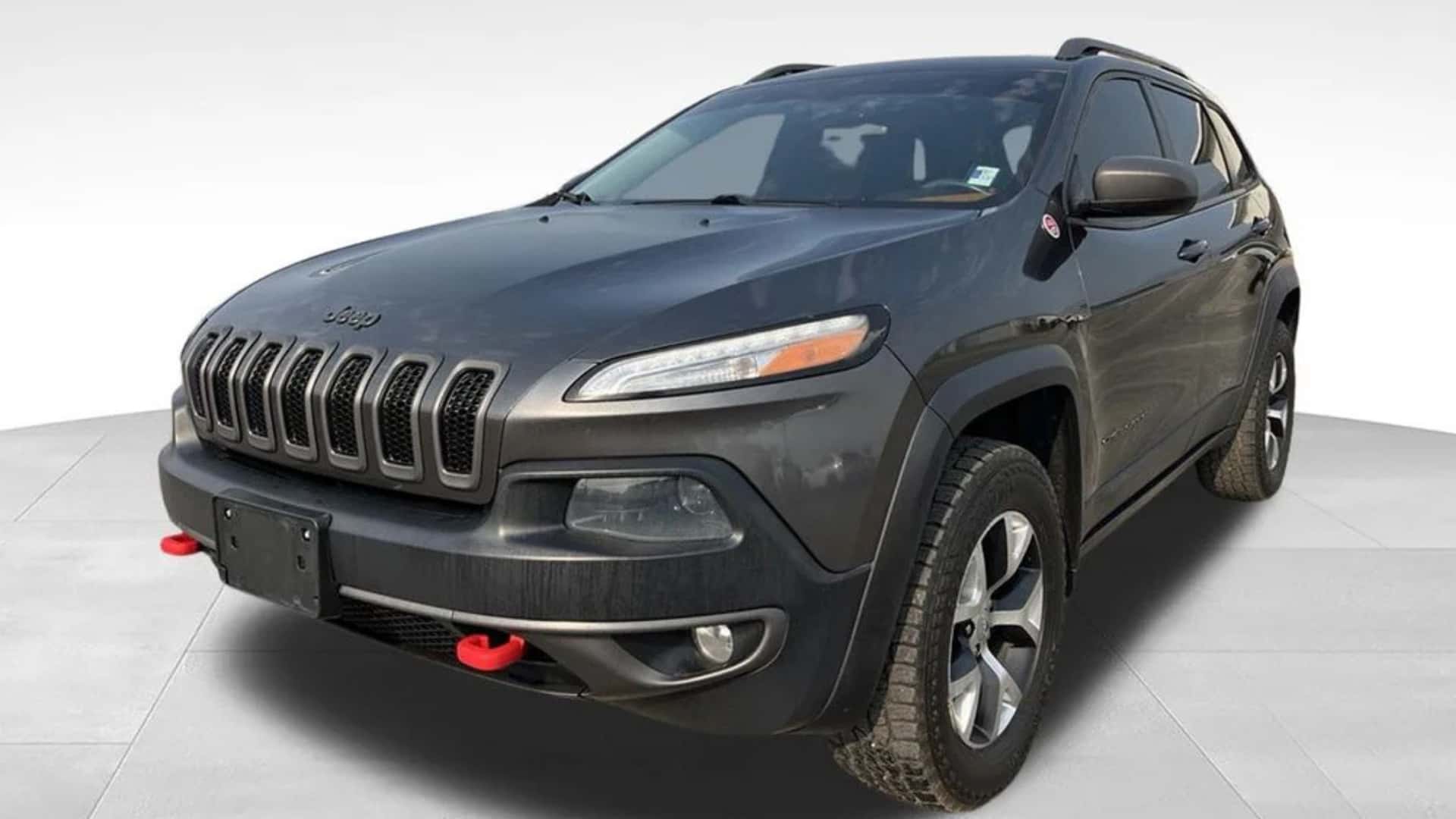
Pre-Owned Vehicles give drivers access to a wide range of body styles, powertrain configurations, capability levels, model years, and equipment packages. Their specifications can vary considerably, even among examples carrying the same model name. A complete evaluation should therefore extend beyond exterior condition to include mechanical performance, maintenance history, mileage, installed technology, and suitability for the intended use. A properly selected pre-owned vehicle can support commuting, family transportation, recreational travel, cargo movement, towing, or a combination of these duties.
Model year, trim level, drivetrain, engine design, transmission type, and factory equipment all influence the operating characteristics of a pre-owned vehicle. Later model years may include revised powertrains, expanded connectivity, updated driver-assistance technology, or structural changes, while earlier vehicles may offer simpler controls and established mechanical designs. Mileage provides useful context, but it should be considered alongside maintenance quality, operating conditions, storage history, and component wear. A higher-mileage vehicle with consistent maintenance may present a different ownership profile from a lower-mileage vehicle with incomplete service information.
Pre-Owned Vehicle Categories and Configurations
Pre-Owned Vehicles cover nearly every major automotive category, allowing drivers to compare designs developed for different transportation requirements. Sedans, hatchbacks, crossovers, SUVs, pickup trucks, vans, coupes, and utility-oriented models each provide distinct combinations of passenger capacity, cargo flexibility, ground clearance, and road behavior. Vehicle architecture also influences seating position, outward visibility, maneuverability, cabin access, and load-floor height. Drivers should identify the functions they expect a vehicle to perform before concentrating on a particular manufacturer, trim designation, or appearance package.
Pre-Owned Passenger Cars and Compact Models
Pre-owned sedans, hatchbacks, coupes, and compact cars are generally designed around efficient packaging, controlled handling, and manageable exterior dimensions. A sedan typically separates the passenger compartment from the trunk, which can help isolate cargo and reduce some forms of road noise. A hatchback uses a rear liftgate and folding rear seats to create a more adaptable cargo area without requiring the larger footprint of many utility vehicles. Coupes may emphasize front-seat space and exterior proportions, although rear-seat access and cargo flexibility can be more limited. Wheelbase, suspension tuning, tire dimensions, steering calibration, and body structure all affect ride quality and directional response across these passenger-car categories.
Powertrain selection remains an important consideration when evaluating a pre-owned passenger vehicle. Naturally aspirated engines commonly provide linear throttle response, while turbocharged engines can produce stronger low-speed torque from a smaller displacement. Conventional automatic, continuously variable, dual-clutch, and manual transmissions each create different acceleration and shifting characteristics. Hybrid passenger cars add electric-motor assistance and regenerative braking, which can change throttle response, energy use, and brake-pedal feel.
Pre-Owned Crossovers and SUVs
Pre-owned crossovers and SUVs emphasize passenger space, flexible cargo management, and a higher seating position. Crossovers commonly use unibody construction, which integrates the body and primary structure to support controlled handling and ride comfort. Some traditional SUVs use body-on-frame construction, a configuration often associated with towing, heavy-duty operation, and travel over irregular surfaces. Front-Wheel Drive, Rear-Wheel Drive, All-Wheel Drive, and Four-Wheel Drive systems also produce different traction and handling characteristics. Ground clearance, tire type, suspension design, approach geometry, and underbody protection should receive additional attention when regular travel involves gravel roads, snow, steep grades, or uneven terrain.
Interior configuration is equally important because utility vehicles may provide two-row or three-row seating, adjustable cargo floors, split-folding seatbacks, and multiple storage areas. Published seating capacity does not fully describe adult comfort, child-seat access, or usable cargo volume with every seat occupied. Liftgate height, load-floor height, rear-door opening angles, and seat-folding procedures affect routine usability. Larger wheel-and-tire combinations can change ride compliance, road noise, steering response, and tire replacement requirements.
Pre-Owned Trucks and Work-Oriented Vehicles
Pre-owned pickup trucks are available in several cab styles, bed lengths, payload classes, axle configurations, and drivetrain combinations. Compact and midsize trucks can provide useful cargo capability with dimensions suited to narrower roads and smaller parking areas. Full-size and heavy-duty trucks may offer increased towing, payload, cooling, and axle capacity, but their larger dimensions require additional attention to maneuverability and operating demands. Regular-cab, extended-cab, and crew-cab layouts create different balances between passenger space, cargo-bed length, and total vehicle size. Bed liners, tie-down points, cargo lighting, trailer connections, and integrated storage features can further influence practical utility.
Truck capability must be evaluated through the specifications of the individual vehicle rather than the model name alone. Engine output, transmission design, axle ratio, cab configuration, bed length, suspension package, and towing equipment can all affect rated capacity. Four-Wheel Drive systems may include selectable ranges, electronic locking differentials, hill-descent functions, or terrain-specific operating modes. Previous towing, hauling, commercial operation, or off-pavement travel may also influence component wear. The frame, hitch area, bed, suspension, tires, brakes, cooling system, and driveline should be inspected for evidence of stress or deferred maintenance.
Mechanical Condition and Performance Evaluation
Mechanical condition determines how closely a pre-owned vehicle continues to operate according to its original engineering design. Age and mileage influence component wear, but operating environment, maintenance intervals, driving habits, and storage conditions can be equally important. Engine response, transmission behavior, braking consistency, steering precision, and suspension control should be assessed as connected systems. Fluid condition, visible leaks, warning indicators, abnormal noises, and uneven tire wear can provide useful diagnostic information.
Engine and Transmission Characteristics
A pre-owned vehicle’s engine should start consistently, settle into a stable idle, and respond smoothly to throttle input. Hesitation, excessive vibration, unusual exhaust smoke, fluid leakage, or persistent warning lights may indicate the need for further diagnosis. Service records can help establish the timing of oil changes, cooling-system maintenance, ignition service, filter replacement, and other scheduled procedures. Turbocharged and direct-injected engines may have maintenance considerations that differ from those of naturally aspirated or port-injected designs. Diesel engines introduce additional systems, including high-pressure fuel delivery, turbocharging, and emissions-control components, that require condition-specific evaluation.
Transmission operation should be examined during initial startup, low-speed driving, steady cruising, and moderate acceleration. A conventional automatic should generally change ratios without excessive delay, slipping, harsh engagement, or repeated gear searching. Continuously variable transmissions should provide smooth ratio changes, although their engine-speed behavior differs from that of stepped automatic transmissions. Manual transmissions require inspection of clutch engagement, synchronizer operation, pedal feel, and gear selection. Four-Wheel Drive vehicles should also be checked for proper transfer-case operation and consistent engagement of available drive modes.
Steering, Suspension, Brakes, and Tires
Steering and suspension systems affect stability, comfort, tire contact, and directional control. Excessive steering play, pulling, vibration, clunking, or delayed response can indicate worn components, alignment concerns, or tire problems. Shock absorbers and struts should control body movement without repeated bouncing, visible fluid leakage, or pronounced instability over uneven pavement. Bushings, ball joints, wheel bearings, control arms, springs, and steering linkages should be inspected for looseness or deterioration. Ride quality should remain consistent with the vehicle category, wheel size, tire construction, and suspension design.
Brake evaluation should include pedal firmness, stopping consistency, noise, vibration, and directional stability. Rotor condition, pad thickness, brake-fluid quality, hose integrity, and parking-brake operation are relevant to a complete assessment. Tires should be compared for brand, size, tread depth, age, load rating, speed rating, and wear pattern. Mismatched tires can affect braking, handling, stability-control operation, and the function of some All-Wheel Drive systems. Uneven wear may point to alignment issues, worn suspension parts, incorrect inflation, or inconsistent tire rotation.
Technology, Safety, and Cabin Equipment
Technology content can vary significantly among Pre-Owned Vehicles because feature availability depends on model year, trim level, option packages, and production updates. Two vehicles carrying the same model name may have different displays, cameras, audio systems, connectivity functions, or driver-assistance equipment. Installed features should therefore be confirmed on each individual vehicle rather than inferred from general model information. Every control, display, seat function, sensor, and electronic accessory should be tested during the evaluation.
Driver-Assistance and Visibility Systems
Pre-owned vehicles may include anti-lock braking, electronic stability control, traction control, tire-pressure monitoring, airbags, and advanced driver-assistance technologies. Depending on the model and configuration, available systems can include forward-collision alerts, automatic emergency braking, blind-spot monitoring, lane-departure alerts, lane-centering assistance, adaptive cruise control, and rear cross-traffic alerts. These features rely on cameras, radar units, ultrasonic sensors, control modules, and accurate calibration. Windshield replacement, collision repair, suspension changes, or incorrect wheel alignment can affect system performance if required calibration procedures were not completed. Warning indicators and stored diagnostic codes should be investigated instead of being treated as minor electronic irregularities.
Visibility equipment also deserves close attention because it affects low-speed maneuvering and operation in changing conditions. A backup camera should provide a clear and stable image, along with functional guidelines when included in the original system. Surround-view camera systems require several lenses to work together, so each viewing angle should be checked for distortion, damage, or interruption. Headlamps, automatic high beams, fog lamps, rain-sensing wipers, heated mirrors, and parking sensors should operate consistently when equipped. Driver-assistance and visibility systems supplement attentive vehicle control and do not replace proper observation or judgment.
Infotainment, Connectivity, and Comfort Features
Infotainment systems in pre-owned vehicles may support Bluetooth® audio, voice commands, smartphone integration, embedded navigation, satellite radio capability, or connected applications. Compatibility can depend on the vehicle’s software version and the driver’s current mobile device. Touchscreen response, physical controls, microphones, speakers, USB ports, power outlets, and steering-wheel buttons should all be checked. Older navigation maps and communication hardware may not provide the same functionality as newer systems. A straightforward and responsive interface may offer greater daily usability than a more complex system with functions the driver rarely uses.
Cabin equipment can include power-adjustable seating, heating and ventilation, multi-zone climate control, memory settings, remote entry, push-button starting, and configurable digital displays. Each convenience feature introduces switches, motors, sensors, modules, or wiring that should be tested. Air-conditioning performance should be checked at different fan speeds and vent positions, while heating output should be confirmed after the powertrain reaches normal operating temperature. Seat tracks, folding mechanisms, sunroofs, windows, locks, and liftgates should move smoothly and seal correctly. Water staining, persistent odors, loose trim, or inconsistent electrical behavior may justify a closer inspection of the cabin, body seals, and related electrical systems.
Pre-Owned Vehicle History and Ownership Considerations
A complete pre-owned vehicle evaluation combines current condition with available information about previous operation and care. Mileage, age, service documentation, title history, accident information, ownership patterns, and regional exposure can each add useful context. No individual record provides a complete account of mechanical condition, so documentation should support rather than replace a physical inspection. Identification numbers, equipment labels, maintenance entries, and observed conditions should be reviewed for consistency.
Maintenance Records and Previous Use
Maintenance documentation can show how regularly engine oil, filters, fluids, belts, spark plugs, brakes, tires, and other wear items were addressed. The appropriate service schedule varies by manufacturer, powertrain, operating environment, and usage classification. Vehicles used for frequent short trips, towing, heavy loads, dusty roads, or extended idling may require different maintenance intervals from vehicles driven primarily during steady highway travel. Long gaps in records do not automatically establish neglect, but they limit the amount of verified maintenance information available.
Evidence of previous use should also be considered in relation to the vehicle category. A truck may show wear around the cargo bed or hitch area, while an SUV may display cargo-compartment wear from frequent loading. A commuter car may accumulate substantial highway mileage with limited interior deterioration, while a low-mileage vehicle may still show age-related wear after extended storage. Corrosion, sunlight, road debris, moisture, and repeated temperature changes can affect paint, seals, fasteners, wiring, and underbody components.
Mileage, Age, and Long-Term Suitability
Mileage is most informative when interpreted alongside age, maintenance quality, operating history, and component condition. Very low annual mileage can indicate limited use, but extended inactivity may affect batteries, tires, seals, fluids, and braking surfaces. Higher annual mileage may indicate sustained road use, which can create different wear patterns from repeated short-distance operation. Age-related deterioration can occur regardless of odometer reading, especially in rubber components, plastic fittings, weather seals, hoses, and electrical connections.
Long-term suitability also depends on how well the vehicle’s specifications correspond with anticipated use. Passenger capacity, cargo volume, towing requirements, fuel type, drivetrain, ride height, turning radius, and climate performance should be considered before selecting a configuration. Drivers traveling on snow-covered or unpaved roads may prioritize traction systems, suitable tires, ground clearance, and underbody protection.
Schedule a Test Ride Today
A direct inspection and test drive can help confirm which body style, powertrain, equipment package, and capability level fit your driving requirements. Visit Salmon River Quality Motors in Salmon, ID, to review available pre-owned vehicle options and examine their features in person. Our team can help you compare cabin layouts, vehicle configurations, operating characteristics, and available documentation. We encourage you to test the controls, assess passenger and cargo space, and experience the vehicle under appropriate driving conditions. Contact us to inquire about current availability or schedule a test drive.