

SUVs in Salmon, ID
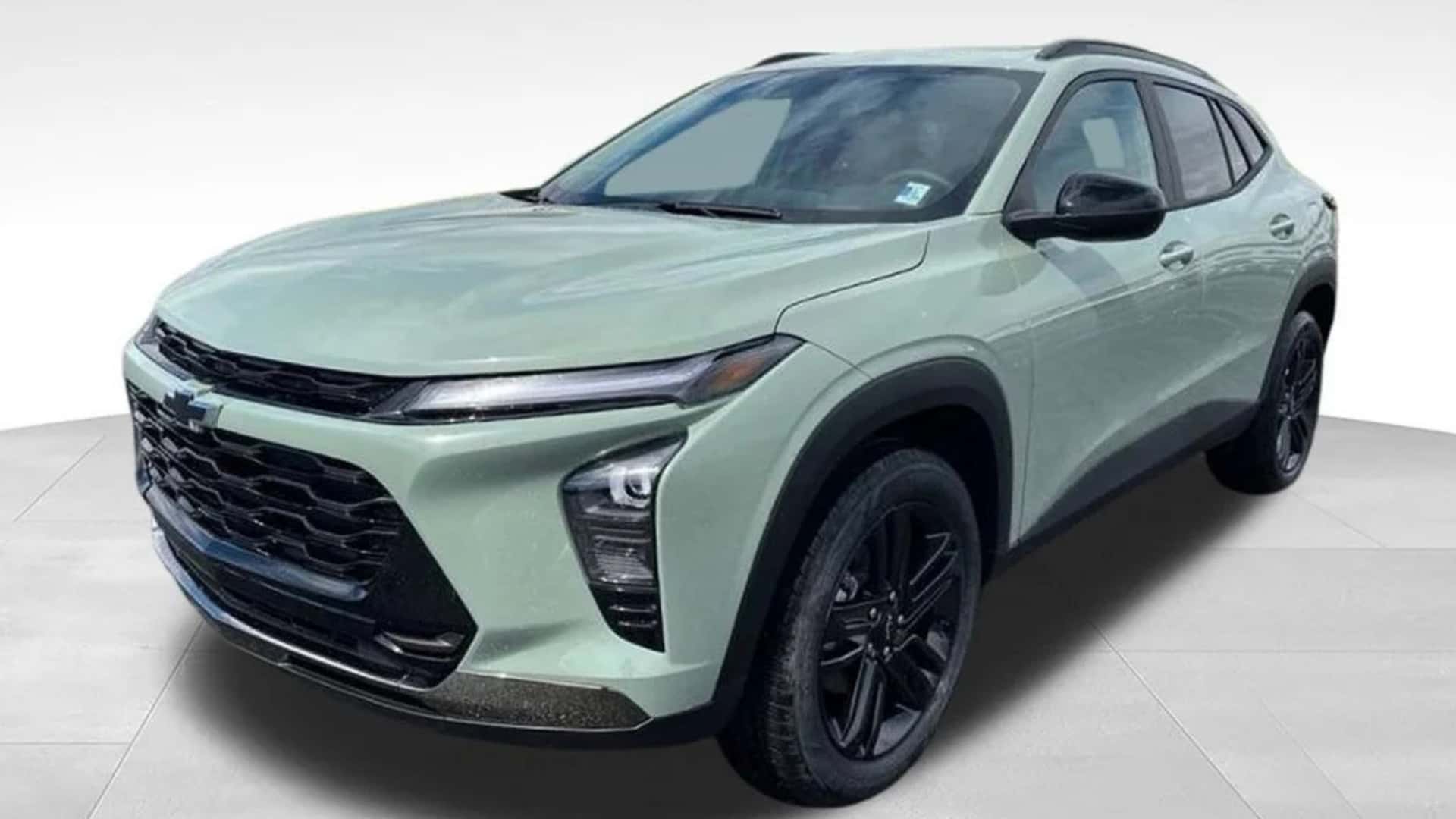
SUVs combine passenger-focused comfort, flexible cargo capacity, higher seating, and diverse drivetrain configurations within one vehicle category. Modern SUVs range from maneuverable subcompact models to full-size vehicles developed for substantial passenger, cargo, and trailering demands. Their enclosed bodies, rear liftgates, configurable seating, and available All-Wheel Drive or Four-Wheel Drive systems support commuting, family transportation, highway travel, winter driving, and recreational use. Buyers can evaluate sport utility vehicles according to exterior dimensions, interior volume, powertrain design, ground clearance, traction capability, safety technology, and maintenance requirements.
SUV Categories and Vehicle Architecture
SUV classifications generally reflect exterior size, passenger capacity, cargo volume, platform construction, and intended operating conditions. Subcompact and compact SUVs emphasize efficient packaging and manageable dimensions, while midsize and full-size SUVs provide additional cabin space, powertrain capability, and load capacity. Some sport utility vehicles use unibody construction to support controlled road manners, lower weight, and efficient interior packaging. Other SUVs use body-on-frame construction to accommodate heavier trailering demands and utility-focused operation.
Subcompact and Compact SUVs
Subcompact SUVs use a relatively small exterior footprint that can simplify parking, low-speed maneuvering, and routine commuting. Their cabins commonly include two seating rows, a rear liftgate, and folding rear seatbacks that allow the cargo area to accommodate longer or bulkier items. Compact SUVs provide additional passenger room and cargo versatility while remaining easier to position than many midsize or full-size vehicles. Powertrains in these classes frequently include naturally aspirated or turbocharged four-cylinder engines, although hybrid, plug-in hybrid, and battery-electric configurations are also available across the category. Front-Wheel Drive is common on road-oriented variants, while available All-Wheel Drive can improve traction on snow, gravel, rain-covered pavement, and loose surfaces.
Midsize and Full-Size SUVs
Midsize SUVs often provide two-row or three-row seating, broader powertrain choices, and higher towing limits than smaller alternatives. Three-row SUVs can differ substantially in third-row access, cushion height, legroom, headroom, and cargo space when every seat is occupied. Full-size SUVs typically offer the greatest passenger volume, cargo capacity, and trailering capability in the segment, although their longer wheelbases and wider bodies require additional space for parking and turning. Powertrain options may include turbocharged engines, larger-displacement gasoline engines, diesel configurations, or electrified systems, depending on the manufacturer and platform. Some full-size models use body-on-frame construction to support substantial loads and demanding utility applications.
Two-Row and Three-Row Seating Configurations
Seating capacity alone does not fully describe the passenger usability of an SUV. Two-row models commonly prioritize rear-seat legroom and cargo volume, making them suitable for drivers who do not regularly need space for more than five occupants. Three-row SUVs add seating flexibility, but the dimensions and accessibility of the rearmost seats vary across platforms. Sliding or tilting second-row seats can improve third-row access, while second-row captain’s chairs may provide a central passage at the cost of one seating position. Cargo capacity behind the third row is another important measurement because some models retain enough room for luggage while others provide only limited storage with every seat upright.
SUV Powertrains and Driving Characteristics
The driving characteristics of SUVs depend on engine output, transmission calibration, curb weight, suspension design, tire selection, and driven-wheel configuration. Horsepower contributes to acceleration and sustained high-speed performance, while torque is particularly relevant during low-speed operation, hill climbing, towing, and passing. Transmission gearing affects how efficiently an engine or electric motor delivers power across changing road speeds. Vehicle weight, frontal area, and aerodynamic profile also influence energy consumption, braking distance, and responsiveness.
Gasoline and Turbocharged Engines
Gasoline-powered SUVs are available with several engine designs, including naturally aspirated four-cylinder engines, turbocharged four-cylinder units, six-cylinder engines, and larger configurations intended for higher loads. Naturally aspirated engines generally provide linear throttle response, while turbocharged engines use pressurized intake air to increase output from a smaller displacement. Engine behavior still depends on transmission gearing, boost calibration, vehicle mass, and driver input. Multi-speed automatic transmissions are common because closely spaced ratios can support smooth acceleration and efficient cruising. Some SUVs include selectable drive modes that adjust throttle response, shift timing, steering effort, or traction-control intervention.
Hybrid, Plug-In Hybrid, and Electric SUVs
Hybrid SUVs combine an internal-combustion engine with one or more electric motors to reduce fuel consumption and provide electrical assistance during acceleration. Conventional hybrid systems recharge their batteries through engine operation and regenerative braking without requiring an external charging connection. Plug-in hybrid SUVs use larger battery packs that can support a limited period of electric propulsion before the gasoline engine becomes necessary. Battery-electric SUVs rely entirely on electric motors and require drivers to consider driving range, charging access, charging speed, temperature effects, and typical travel patterns. Battery placement can lower the center of gravity, although total vehicle weight and suspension calibration continue to affect handling and ride quality.
Handling, Ride Quality, and Braking
SUV suspension systems must control a relatively tall body while maintaining predictable steering response and occupant comfort. Independent suspension designs are common in road-oriented models because they permit controlled wheel movement over uneven surfaces. Utility-focused vehicles may use suspension arrangements developed to carry heavier loads or maintain traction on rough terrain. Ground clearance can help an SUV travel over snow, rutted roads, and trail obstacles, but a taller ride height may produce additional body movement during cornering. Wheel diameter, tire width, and sidewall height affect impact absorption, steering response, road noise, and braking feel.
SUV Traction, Towing, and Cargo Capability
SUV capability involves more than engine output or exterior size. Traction systems, chassis protection, approach geometry, departure geometry, towing hardware, cargo configuration, and electronic drive modes all contribute to functional performance. Road-oriented SUVs may focus on secure all-weather operation, while specialized models can include equipment intended for rocks, mud, sand, steep grades, or deep snow. The expected operating environment should guide the selection of tires, drivetrain layout, suspension equipment, and underbody protection. Owners should also understand that maximum ratings depend on specific configurations and can change according to powertrain, trim level, axle ratio, or installed equipment.
All-Wheel Drive and Four-Wheel Drive
All-Wheel Drive systems can distribute power between the front and rear axles as sensors identify changing traction conditions. These systems are commonly developed for paved roads, rain, snow, and maintained gravel, although their operating strategies differ across manufacturers. Traditional Four-Wheel Drive systems are often associated with utility-focused SUVs and may include selectable high-range and low-range gearing. Low-range gearing multiplies torque at reduced vehicle speeds, which can improve control on steep, loose, or uneven terrain. Locking differentials, limited-slip differentials, hill-descent control, and terrain-management modes can further regulate wheelspin and power delivery. Traction hardware still requires suitable tires, sufficient stopping distance, controlled speed, and careful driver input.
Ground Clearance and Off-Road Geometry
Ground clearance describes the space between the lowest specified part of the vehicle and the driving surface, but it is only one element of trail capability. Approach angle affects the ability to climb onto an obstacle without contacting the front bumper, while departure angle concerns rear overhang clearance when leaving an incline. Breakover angle relates to the space available beneath the center of the vehicle as it passes over a crest or raised obstruction. A shorter wheelbase may improve breakover performance and maneuverability, while a longer wheelbase can support passenger room and straight-line stability. Skid plates, tow hooks, all-terrain tires, and controlled low-speed gearing can provide additional support during unpaved operation.
Towing and Payload Ratings
An SUV’s towing capacity depends on its engine, transmission, axle ratio, cooling system, hitch equipment, brakes, and structural design. The maximum trailer rating should not be considered separately from payload, tongue weight, passenger mass, and cargo carried inside the vehicle. Adding occupants and equipment reduces the capacity available for other loads, even when the trailer remains below its published maximum. Trailer-sway control, integrated brake controllers, camera views, and hitch-guidance systems can assist with setup and directional stability when properly configured. Drivers should verify the specific ratings for the exact SUV rather than applying a general figure from another trim or drivetrain.
Cargo Space and Storage Flexibility
Cargo capacity in SUVs is influenced by roof shape, rear suspension packaging, seat design, load-floor height, and the position of each seating row. Split-folding seats allow owners to retain one or more passenger positions while expanding the cargo area for longer items. Adjustable cargo floors, underfloor compartments, roof rails, tie-down points, and power liftgates can improve daily utility. Maximum cargo-volume figures often assume that the rear seats are folded, so buyers should also examine space behind the occupied second and third rows. A low lift-over height can simplify loading heavy items, while a wide hatch opening can accommodate objects that would not fit through a narrower entrance.
SUV Safety, Technology, and Ownership Considerations
SUV interiors are organized around visibility, passenger access, storage, connectivity, and flexible seating. A higher seating position may improve the driver’s forward view, although roof pillars, head restraints, and exterior dimensions can still create blind areas. Camera systems and digital displays can provide additional information, but their placement and menu structure should remain easy to interpret. Long-term usability also depends on maintenance needs, tire specifications, cabin materials, and the accessibility of frequently used controls.
Driver Assistance and Occupant Protection
Contemporary SUVs may include automatic emergency braking, forward-collision alerts, lane-departure warnings, lane-keeping assistance, blind-spot monitoring, rear cross-traffic alerts, and adaptive cruise control. Feature names and operating limits vary, so drivers should understand how each system detects vehicles, lane markings, pedestrians, or other hazards. Parking sensors, surround-view cameras, and rear automatic braking can assist with low-speed maneuvering in larger SUVs. Passive protection may include multiple airbags, reinforced body structures, seat-belt pretensioners, child-seat anchors, and engineered energy-management zones. Tire-pressure monitoring and electronic stability control also support vehicle operation by identifying pressure concerns and helping address certain losses of directional control.
Connectivity and Cabin Usability
Infotainment systems commonly combine touchscreen controls, smartphone integration, audio functions, navigation capability, and vehicle settings. Screen size does not determine overall usability because response speed, physical controls, voice recognition, menu depth, and display placement also affect interaction. USB ports, wireless device charging, household-style outlets, and rear-seat controls can be useful when several passengers travel with electronic devices. Families may place greater importance on cupholders, door storage, rear climate vents, durable materials, and convenient access to child-seat anchors. Third-row access should be tested with the second-row seats in their normal positions, especially when child restraints will remain installed.
SUV Maintenance Requirements
Routine SUV maintenance generally includes oil service for combustion engines, tire rotation, brake inspection, fluid checks, filter replacement, battery testing, and examination of suspension and driveline components. All-Wheel Drive and Four-Wheel Drive vehicles may require additional attention to transfer cases, differentials, drive shafts, and matched tire circumference. Replacing only one tire on certain systems can create differences in rotational speed, making manufacturer guidance important. Larger wheels and specialized all-terrain tires can affect road noise, ride quality, efficiency, and replacement planning. SUVs used for towing, dusty-road travel, repeated short trips, or severe-temperature operation may require more frequent maintenance under the applicable service schedule.
Test-Drive Evaluation for SUVs
An informative SUV test drive should include parking maneuvers, city streets, highway acceleration, braking, cornering, and travel over uneven pavement. The driver should check mirror coverage, camera clarity, steering effort, pedal response, transmission behavior, and visibility around the vehicle. Passengers can assess seat support, headroom, legroom, entry height, climate distribution, and road noise from each row. Cargo features should also be operated directly, including folding seats, liftgate controls, adjustable floors, and removable storage components. Buyers considering towing or unpaved travel should confirm the exact drivetrain, cooling equipment, hitch provisions, ground clearance, and relevant capacity ratings of the SUV being evaluated.
Schedule a Test Ride at Salmon River Quality Motors
Visit Salmon River Quality Motors in Salmon, ID, to examine SUV dimensions, seating configurations, cargo layouts, and drivetrain options in person. Our team can help you compare the practical differences among available vehicles while keeping your passenger, travel, and capability requirements in focus. We encourage you to inspect cabin access, operate the technology, and evaluate cargo flexibility before selecting a vehicle. Schedule a test drive to assess visibility, ride quality, acceleration, braking, and overall control under familiar driving conditions. A careful in-person review can help you identify an SUV that supports both routine transportation and occasional utility demands.