

Truck in Salmon, ID
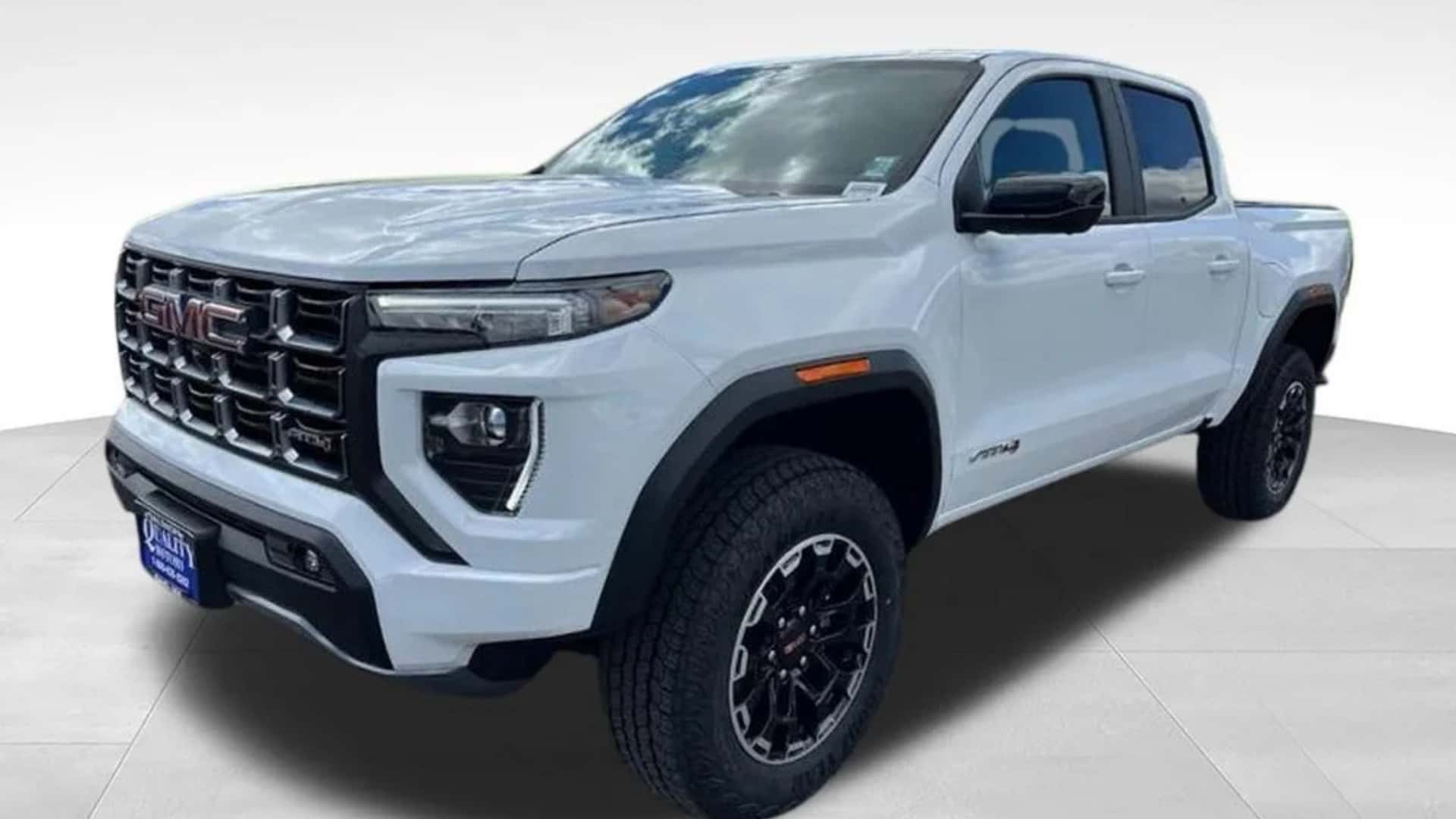
A truck combines an open cargo bed, a capability-oriented chassis, and a range of powertrain configurations developed for hauling, towing, commuting, and recreational use. Buyers can select from compact, midsize, full-size, and heavy-duty truck categories, with each class addressing different payload, trailering, passenger-space, and maneuverability requirements. Cab style, bed length, engine output, drivetrain hardware, suspension tuning, axle ratio, and tire construction all influence how a pickup performs. Modern trucks also integrate advanced driver-assistance technology, configurable cargo equipment, connected infotainment features, and specialized drive modes that broaden their functional range.
Truck Categories and Body Configurations
Truck classification provides a practical starting point because physical dimensions and chassis ratings affect nearly every aspect of vehicle operation. Smaller pickups generally prioritize maneuverability and manageable exterior proportions, while larger trucks provide more cabin volume, cargo capacity, and trailering potential. Overall size can influence parking access, turning diameter, ride quality, fuel consumption, garage clearance, and ease of loading the cargo bed. Manufacturers often offer several cab and bed combinations within a truck line, allowing buyers to balance passenger accommodations against usable cargo length.
Compact and Midsize Trucks
Compact and midsize trucks provide flexible formats for commuting, household hauling, outdoor recreation, light commercial use, and moderate towing. Their narrower bodies and shorter overall lengths can make them easier to position on confined streets, in parking areas, and along narrow access roads. Many midsize pickups offer Four-Wheel Drive, low-range gearing, protective underbody components, all-terrain tires, and selectable traction settings. Available crew-cab configurations can provide practical rear seating while retaining an open bed for tools, equipment, or recreational gear.
Full-Size and Heavy-Duty Trucks
Full-size trucks typically provide broader cabins, larger available cargo beds, and multiple powertrain choices intended for substantial payload and trailering assignments. Heavy-duty trucks extend this capability through reinforced frames, stronger axle assemblies, higher-capacity cooling systems, and suspension components designed for increased loads. Available gasoline and diesel engines can produce substantial torque, although engine output should always be considered alongside transmission design, axle gearing, and vehicle ratings. The larger dimensions and firmer unloaded ride of a heavy-duty truck may be less convenient for drivers who seldom use its additional capacity.
Truck Cab and Bed Selection
Truck cabs are commonly offered in regular, extended, and crew-style layouts, although terminology differs among manufacturers. A regular cab prioritizes cargo-bed space and a shorter overall vehicle length, while an extended cab adds occasional rear seating or protected interior storage. A crew cab provides wider rear doors and more usable second-row accommodations, making it practical for families, work crews, or drivers carrying sensitive equipment inside the cabin. Bed length affects cargo volume, wheelbase, turning behavior, breakover clearance, parking requirements, and compatibility with certain trailers or accessories.
Truck Powertrains and Drivetrain Systems
A truck powertrain must provide controlled acceleration while supporting changing loads, grades, road surfaces, inclines, and operating temperatures. Engine output is only one part of this equation because transmission ratios, axle gearing, cooling capacity, traction hardware, and vehicle mass determine how effectively power reaches the road. Gasoline, diesel, hybrid, and battery-electric systems can each provide distinct operating characteristics for particular driving patterns. Two-Wheel Drive and Four-Wheel Drive configurations further affect traction, efficiency, mechanical complexity, curb weight, and ground clearance. A technically appropriate truck matches its complete propulsion and drivetrain system to the driver’s most frequent tasks.
Gasoline and Diesel Engines
Gasoline engines are widely used across truck classes because they provide responsive acceleration and support varied daily driving routines. Naturally aspirated gasoline engines often deliver progressive power, while turbocharged designs can generate substantial low-speed torque from a smaller displacement. Diesel engines are particularly relevant to repeated heavy towing because their torque delivery, engine-braking characteristics, and operating range suit sustained load management. Engine selection should account for anticipated trailer weight, annual mileage, trip length, changing terrain, maintenance requirements, and cold-weather operation.
Hybrid and Battery-Electric Trucks
Hybrid trucks combine an internal-combustion engine with one or more electric motors to support acceleration, energy recovery, and selected electrical functions. Electric assistance can provide immediate torque at low speeds and reduce the amount of work required from the gasoline engine in certain conditions. Battery-electric trucks use electric motors for propulsion, providing smooth power delivery, quiet operation, and strong initial response. Drivers considering an electric truck should examine charging access, route length, outside temperature, trailer use, payload demands, and the effect of sustained high-speed travel on available driving range. Electrified powertrains can suit many applications, but their operational requirements should be evaluated against the truck’s intended work pattern.
Transmissions and Axle Ratios
Modern automatic transmissions use multiple forward ratios to keep a truck engine within an efficient or productive operating range. Lower gears support initial movement, steep-grade climbing, and low-speed load control, while higher gears reduce engine speed during steady cruising. Tow and haul settings can modify shift timing, hold lower gears longer, and increase downshift activity during descents. Axle ratio also affects performance, with numerically higher gearing generally supporting stronger load movement while potentially increasing engine speed under some conditions.
Four-Wheel Drive and Traction Hardware
A Two-Wheel Drive truck can provide sufficient traction for maintained roads, moderate climates, and predictable operating conditions. Four-Wheel Drive can improve forward progress on snow, loose gravel, mud, steep access roads, and uneven terrain by distributing torque across both axles. Part-time systems commonly include selectable high-range and low-range settings, while automatic systems may engage the front axle when sensors detect changing traction. Locking differentials, limited-slip units, hill-descent control, and terrain-specific drive modes can further regulate wheel speed and torque distribution.
Payload, Towing, and Truck Bed Utility
Truck capability should be evaluated through the ratings assigned to the exact vehicle configuration under consideration. Payload and towing figures can change with engine choice, drivetrain, cab design, bed length, axle ratio, installed equipment, and passenger load. A maximum figure associated with a model range may apply only to a particular combination of equipment and body specifications. Drivers should consult the certification labels and operating information associated with the individual truck before carrying cargo or connecting a trailer.
Payload Capacity and Weight Ratings
Payload represents the allowable combined weight of occupants, cargo, and added equipment carried by the truck. Accessories such as toolboxes, bed covers, auxiliary tanks, recovery equipment, racks, and hitch components can consume part of the available payload capacity. Gross vehicle weight rating identifies the maximum permitted weight of the loaded truck, while gross axle weight ratings define separate limits for the front and rear axles. Cargo placement matters because excessive rearward, forward, or side-biased loading can affect steering response, braking balance, suspension control, and tire loading.
Trailer Ratings and Hitch Systems
Towing capacity depends on more than engine strength because the frame, brakes, tires, suspension, cooling system, hitch, transmission, and electrical connections function as an integrated system. Conventional trailers connect near the rear bumper, while fifth-wheel and gooseneck designs place their connection in the bed to produce a different load path through the truck. Tongue weight or pin weight becomes part of the pickup’s payload and must be included when calculating passengers, accessories, and bed cargo. Trailer brake controllers, extended mirrors, hitch-view cameras, sway-control programming, and transmission temperature displays can assist the driver during setup and travel. Proper hitch selection, balanced loading, functional trailer brakes, and secure connections remain necessary even when advanced trailering technology is installed.
Truck Bed Design and Cargo Management
The truck bed provides an open cargo area for building materials, recreational equipment, tools, landscaping supplies, and items that may not fit inside an enclosed passenger compartment. Bed liners and protective coatings can reduce surface damage, while adjustable tie-down points help secure loads of different shapes and dimensions. Some truck beds incorporate lighting, household-style electrical outlets, configurable dividers, integrated storage compartments, steps, or multifunction tailgates. Total bed usefulness depends on floor length, width between the wheel housings, sidewall height, tailgate design, load-in height, and available payload.
Truck Ride Quality, Technology, and Ownership
A modern truck must manage unloaded commuting, changing cargo weight, passenger comfort, and demanding work while maintaining predictable control. Suspension design, steering calibration, braking hardware, tire construction, wheelbase, and cabin isolation all contribute to its everyday driving character. Technology can improve visibility, simplify trailer connections, and help the driver monitor important vehicle functions. Ownership requirements also vary considerably between a lightly used compact pickup and a heavy-duty truck that regularly operates near its rated limits.
Suspension, Steering, and Braking
Truck suspension systems are calibrated to control body movement while retaining sufficient capacity for cargo and trailer loads. Some pickups use rear leaf springs for durability and load support, while others employ coil springs, composite springs, or air-assisted systems to refine ride behavior. An unloaded truck may feel firmer or display more rear-axle movement because its suspension is designed to accommodate weight that is not currently present. Steering response can vary according to wheelbase, tire type, front-axle hardware, alignment, and assistance programming.
Driver Assistance and Camera Technology
Available truck safety systems can include forward collision alerts, automatic emergency braking, blind-zone monitoring, lane support, adaptive cruise control, and rear cross-traffic detection. Camera technology is especially useful on larger pickups because it can provide views around the body, cargo bed, hitch area, or connected trailer. Parking sensors help drivers estimate clearance near obstacles, although mirror use and direct visual checks remain necessary. Some trailering systems can store trailer profiles, monitor selected connections, display blind-zone coverage, or guide the driver while aligning a hitch.
Cabin Technology and Practical Storage
Truck cabins increasingly combine durable materials with large displays, smartphone integration, connected navigation functions, and configurable driver-information screens. Physical controls remain useful for frequent adjustments, particularly when occupants are wearing work gloves or traveling over rough surfaces. Interior storage may include a wide center console, under-seat compartments, door bins, folding rear seats, and protected areas for smaller equipment. Power outlets and charging ports can support personal electronics or job-related devices, depending on the truck’s electrical architecture and installed equipment.
Long-Term Truck Ownership Planning
Truck ownership involves selecting tires, maintenance intervals, and accessories that correspond to vehicle use rather than appearance alone. All-terrain tires may provide additional loose-surface traction, but they can also alter road noise, efficiency, steering response, and wet-pavement behavior. Repeated towing, dusty travel, frequent short trips, and heavy payload use can place different demands on fluids, filters, brakes, tires, and cooling components. Exterior dimensions should be checked against garages, parking spaces, driveways, car washes, loading areas, and frequently traveled routes.
Visit Salmon River Quality Motors in Salmon, ID
Our team can help you compare truck sizes, cab layouts, bed configurations, powertrains, and drivetrain systems according to your intended use. Visit Salmon River Quality Motors in Salmon, ID, to inspect available pickups and evaluate the features that matter for your driving conditions. We can assist as you review passenger space, cargo access, trailering equipment, visibility, and everyday maneuverability. Schedule a test drive to assess seating comfort, control placement, ride quality, braking response, and power delivery from the driver’s seat. We welcome your questions as you identify a truck configuration suited to work, recreation, hauling, and routine transportation.