


Pickup Trucks and SUVs Take Different Approaches to Outdoor Utility in Salmon, ID
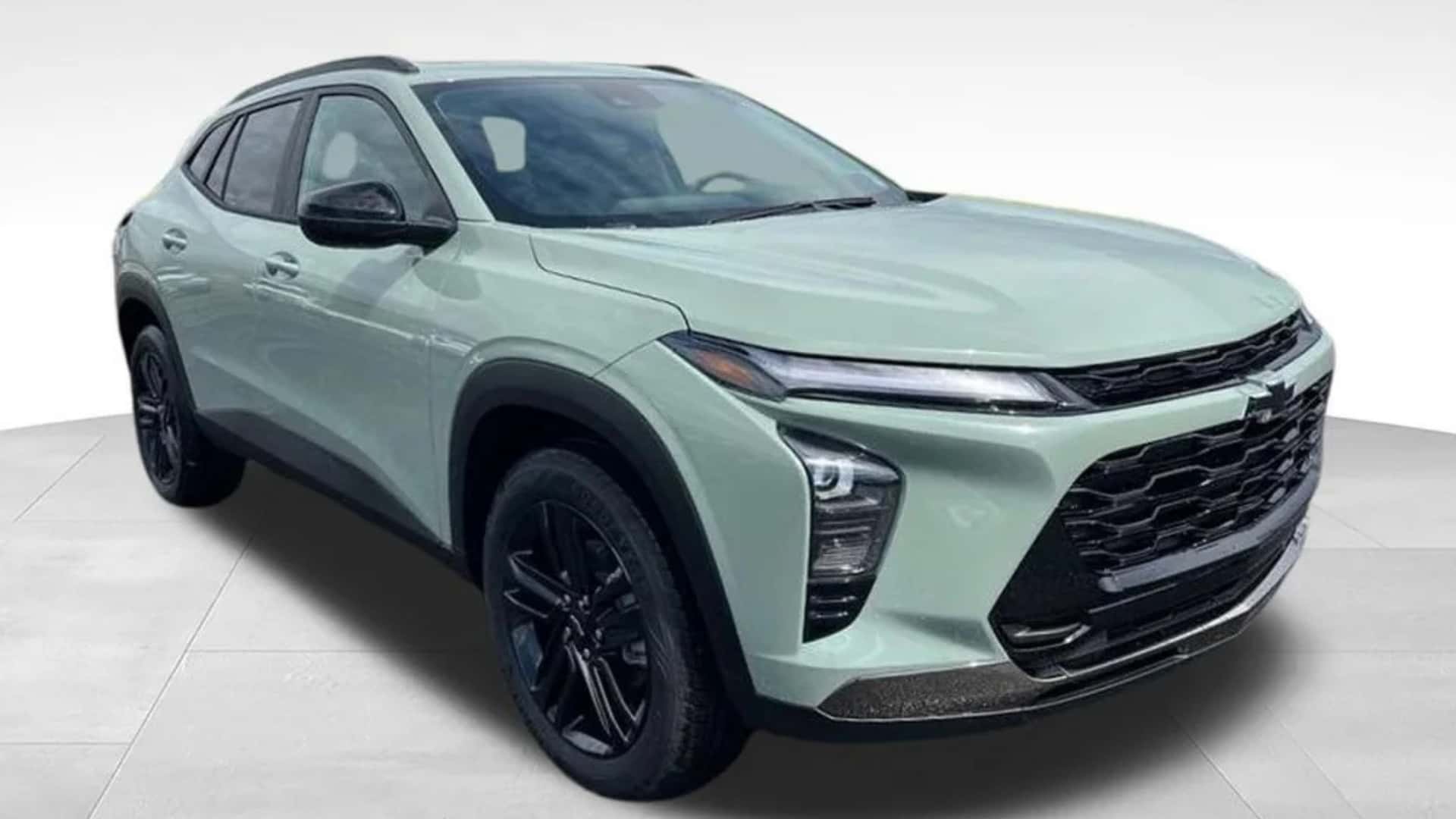
Outdoor utility means something different to every driver in Salmon, Idaho. One person may need space for camping equipment, fishing gear, and family luggage, while another may regularly carry firewood, tools, or muddy supplies. Pickup Trucks and SUVs can handle many of these demands, but they approach the work from different directions. Trucks emphasize an open cargo bed, task-focused capability, and separation between passengers and messy loads. SUVs place greater emphasis on enclosed storage, flexible seating, weather protection, and everyday comfort. Choosing between them often depends less on appearance and more on the activities that shape a driver’s typical week. For households that move between commuting, errands, trail access, and weekend recreation, SUVs can provide an especially versatile ownership experience. Their adaptable interiors help owners reorganize passenger and cargo space without changing vehicles or installing complicated equipment.
Outdoor Plans Shape The Better Choice
The most useful vehicle is the one that matches the way its owner prepares for outdoor activities. A Truck may feel ideal when large, dirty, or unusually shaped cargo is a regular part of the routine. An SUV may make greater sense when equipment needs to remain enclosed, organized, and protected throughout the drive. Salmon drivers should also consider how often the vehicle will carry passengers alongside recreational gear. The right choice emerges from the complete ownership pattern rather than one memorable outing each year.
Trucks Keep Messy Cargo Separate
A pickup bed gives drivers a dedicated area for items that do not belong inside a passenger cabin. Muddy boots, damp fishing equipment, firewood, landscaping materials, and bulky tools can travel behind the cab without affecting the seating area. This physical separation is valuable for owners whose outdoor plans regularly produce dirt, moisture, or strong odors. The open bed also makes it easier to load tall or awkward objects that may not fit through an SUV liftgate.
This approach can be especially practical when recreation overlaps with property care or demanding household projects. A driver can carry work supplies during the week and reorganize the bed for camping equipment before the weekend. Suitable bed accessories may help divide, cover, or secure the cargo area, although the ideal arrangement depends on the activity. The cab remains available for passengers and personal belongings while heavier or less tidy equipment stays outside.
SUVs Shelter Gear And Passengers
SUVs answer outdoor needs with a fully enclosed cabin that can accommodate both people and equipment. Camping bags, coolers, hiking packs, and other recreational items remain protected from rain, dust, and passing road debris. Owners can often adjust the seating layout to create additional cargo room when fewer passengers are traveling.
Enclosed storage supports a different approach to organization than an open pickup bed. Smaller belongings are easier to keep accessible, and packed items can be arranged carefully behind the seats. The cargo area may also provide a convenient place to change shoes, sort supplies, or prepare for an activity after arriving. Drivers should secure loose objects and make sure packed gear does not interfere with outward visibility.
Everyday Schedules Favor Flexible SUVs
Outdoor capability attracts attention, but most vehicles spend much of their time handling routine transportation. Commuting, school trips, grocery runs, and appointments continue between camping weekends and fishing excursions. This is where the difference between a Truck and an SUV becomes especially noticeable. SUVs commonly organize their interiors around passengers and convenient cargo access, while pickups preserve a separate bed for utility work.
SUVs Adapt To Changing Routines
An SUV can move from weekday transportation to weekend recreation with relatively little preparation. The same cabin that carries passengers during the week can be rearranged to hold outdoor equipment when plans change. Folding or adjusting available seating creates options for longer items, larger bags, or additional supplies. Enclosed access also makes it convenient to load groceries, sports equipment, and everyday purchases without exposing them to the weather.
Passenger access also contributes to that versatility. Rear doors and an enclosed seating area make it easier for friends or family members to settle in before a longer drive. Personal belongings can remain nearby instead of being placed in a separate cargo bed. The interior layout may also simplify short stops because passengers can reach jackets, snacks, or small bags from inside the vehicle.
Trucks Preserve Separate Utility Zones
Pickup Trucks maintain a stronger distinction between passenger travel and cargo-carrying work. The cabin accommodates people and smaller personal items, while the bed remains available for equipment or supplies. This can be convenient for owners who want to avoid repeatedly reconfiguring an interior cargo area. It also means dirty loads do not have to share space with groceries, backpacks, or passenger belongings. The tradeoff is that everyday cargo may need additional protection or restraint when carried in the bed.
Cab configuration can strongly influence how well a pickup manages daily life. A Truck with greater rear seating space may support family travels more comfortably, while a smaller cab may suit drivers who place greater value on bed utility. Buyers should sit in every seating position and consider who will regularly travel with them. They should also think about where routine purchases will go when the bed is already carrying equipment.
Backroad Travel Rewards Thoughtful Capability
Outdoor travel around Salmon can include paved routes, gravel roads, changing terrains, and uneven access points. Vehicle type alone does not determine confidence in these settings. Tires, ground clearance, drivetrain design, driver judgment, and current road conditions all influence how a vehicle behaves. SUVs and Trucks may both support travel beyond city streets, though their proportions can produce noticeably different driving experiences.
SUVs Balance Access And Maneuverability
Many drivers appreciate SUVs because they can combine a raised seating position with familiar everyday road manners. Their enclosed body and integrated cargo area can feel cohesive when navigating curves, parking areas, and narrow access roads. Compact and midsize SUVs may also be easier to position than a longer pickup. This matters when trailhead parking is tight or a scenic route offers limited turning space. Larger SUVs provide additional room, but buyers should still consider how their overall dimensions fit common destinations.
Available traction-focused features may provide added confidence when roads become wet, snowy, loose, or uneven. Their effectiveness depends on the vehicle, tire condition, driving technique, and severity of the surface. No system replaces careful speed selection, good judgment, or responsible route planning. Drivers should focus on the conditions they realistically expect instead of choosing equipment for an unlikely extreme. An appropriately equipped SUV can support outdoor access while remaining approachable during daily travel.
Trucks Bring Task-Ready Confidence
Pickup Trucks often appeal to drivers who expect their outdoor vehicle to handle equipment, rough access points, and demanding household work. Their body style provides a practical foundation for carrying items that would be difficult to place inside an enclosed cabin. Many drivers also value the commanding seating position and substantial road presence associated with Trucks.
A Truck’s utility is most meaningful when its capability matches recurring needs. Occasional outdoor trips do not automatically require the largest available pickup or a highly specialized configuration. Extra size can affect parking convenience, passenger entry, and general maneuverability. Buyers should focus on the cargo they actually carry, the roads they commonly use, and the number of people who usually travel with them. A thoughtfully selected Truck can feel purposeful without becoming unnecessarily difficult to manage.
Cabin Comfort Extends Every Adventure
The journey to an outdoor destination can be nearly as important as the activity itself. Long drives become easier when passengers have supportive seating, convenient storage, and enough room for personal belongings. Visibility, ride quality, cabin noise, and climate comfort can also influence how refreshed everyone feels upon arrival. SUVs and Trucks provide different cabin experiences depending on their size, layout, and intended purpose.
SUVs Support Shared Weekend Travel
SUVs are naturally suited to trips that combine several passengers with a moderate amount of gear. Their cabins commonly emphasize accessible seating and a direct connection between passenger and cargo areas. Families can keep travel essentials close while placing larger bags behind the rear seats. This arrangement is useful when a trip includes frequent stops or changing weather.
The ability to adjust available seats helps owners respond to different group sizes. A weekend with several passengers may require one configuration, while a two-person camping trip may allow substantially greater cargo room. Drivers should examine how easily the seats move and how usable the resulting floor space feels. Cargo opening shape also matters because generous space has limited value when equipment is difficult to load.
Trucks Suit Gear-Focused Departures
A pickup creates a different rhythm when preparing for an outdoor trip. Passengers organize personal belongings in the cab while larger equipment goes into the bed. This arrangement can keep the interior calm and uncluttered, especially when gear is dirty or damp. It also encourages owners to plan cargo placement before leaving. Covers, tie-down points, containers, and other organizational solutions can improve the usefulness of the bed for a particular activity.
Passenger comfort still deserves careful attention during a Truck comparison. Rear seating dimensions can vary, and the shape of the cab influences how relaxed passengers feel during longer drives. Ride quality may also change when the bed is empty or carrying a load. A useful test drive should include familiar streets, parking maneuvers, and a stretch of open road when possible.
Ownership Priorities Reveal The Answer
The comparison between pickup Trucks and SUVs becomes clearer when buyers rank their actual priorities. Trucks provide an open cargo solution that suits dirty, oversized, and task-oriented loads. SUVs offer enclosed versatility that supports passengers, protected equipment, and changing daily schedules. Neither body style is automatically right for every outdoor lifestyle.
SUVs Deliver Flexible Outdoor Utility
SUVs are a natural match for drivers who regularly combine passenger travel with outdoor recreation. They can carry family members, friends, pets, and equipment within one protected interior. Their configurable cabins allow space to shift between people and cargo as plans develop. Many SUVs also fit comfortably into commuting, shopping, and neighborhood routines.
An SUV may be particularly appealing when outdoor gear needs protection from weather or when the vehicle frequently stops in public places. Enclosed storage offers privacy and reduces exposure to rain, dust, and road grime. Drivers who carry smaller pieces of equipment may find the interior easier to organize than a large open bed. The primary limitation appears when cargo is excessively dirty, tall, or awkwardly shaped.
Trucks Answer Open Bed Demands
A Truck becomes the stronger candidate when an open bed solves recurring transportation challenges. It can carry equipment that owners may not want near seats, carpeting, or interior trim. The bed also accommodates items whose shape makes enclosed loading difficult. Drivers who combine recreation with property projects or hands-on work may use this flexibility throughout the year.
Prospective owners should still consider how often they carry passengers and how they plan to protect cargo from changing weather. A suitable bed setup can improve organization, but it should support the owner’s normal routine rather than complicate it. Cab size, bed dimensions, visibility, and parking comfort should all be evaluated together. The ideal pickup balances useful hauling space with manageable daily operation.
Drivers ready to compare pickup Trucks and SUVs can visit Salmon River Quality Motors in Salmon, ID. Our team can help shoppers examine cabin layouts, cargo access, seating flexibility, and the everyday differences between these vehicle types. A test drive can reveal how each option feels on familiar roads and during common parking maneuvers. Speak with our team to find a vehicle that supports daily responsibilities and outdoor plans with confidence.
0 comment(s) so far on Pickup Trucks and SUVs Take Different Approaches to Outdoor Utility in Salmon, ID