

Ranch Work and River Weekends Call for the Right Truck in Salmon, ID
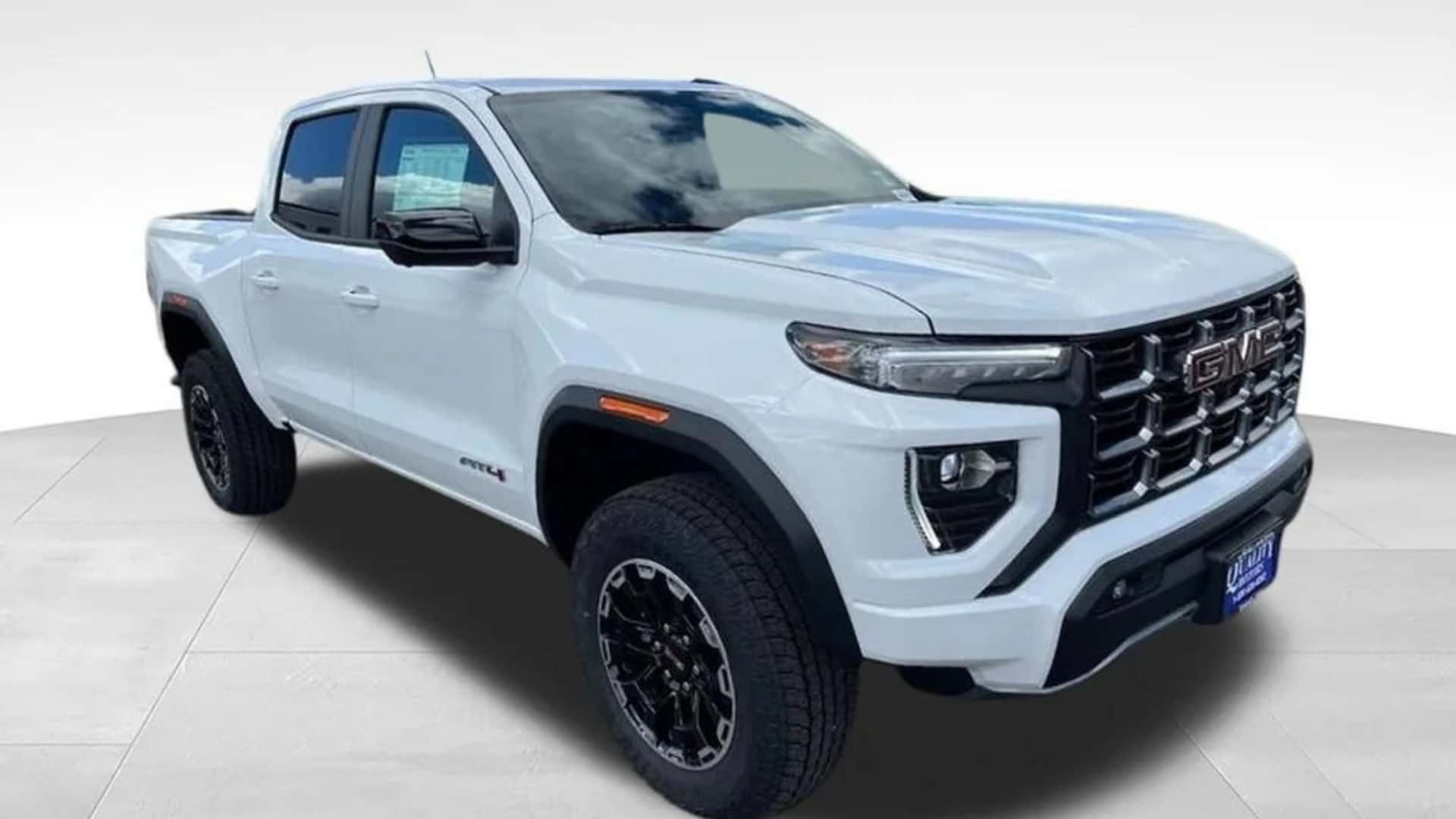
Life around Salmon can place very different demands on a vehicle from one day to the next. A weekday might involve hauling fencing supplies, carrying feed, checking property, or traveling along an unpaved access road. By the weekend, the same route may lead toward a fishing spot, riverside campsite, trailhead, or family gathering. The right Truck can support this variety while giving tools, equipment, and outdoor gear a practical place outside the passenger cabin.
Finding the right truck requires more thought than simply choosing the largest model available. Cab space, bed configuration, drivetrain, ride comfort, visibility, and expected cargo all influence how useful a pickup feels in daily life. Buyers also need to consider local weather, changing road surfaces, maintenance habits, and the amount of capability they will regularly use.
Understanding everyday truck needs
A useful truck should fit the owner’s normal routine before addressing occasional heavy jobs. Daily distances, parking conditions, passenger needs, and cargo habits all help define the appropriate size and configuration. Thinking through those details can prevent buyers from choosing a truck that feels cumbersome or lacks the space their work requires.
What should first-time truck buyers consider?
First-time truck buyers should begin by identifying the jobs and trips the vehicle will handle during a typical month. This list might include carrying tools, moving supplies, transporting fishing equipment, taking passengers into town, or reaching property along an unpaved road.
Cab and bed choices deserve particular attention because they shape the entire ownership experience. A larger cab can make family travel and protected interior storage easier, while a longer bed can provide additional room for bulky materials.
Can a truck work well as a daily driver in Salmon?
A truck can serve well as a daily driver when its dimensions, comfort, and road behavior match the owner’s routine. Many drivers value the higher seating position, useful cargo bed, and flexibility for errands that would be difficult in a conventional passenger vehicle. Daily suitability still depends on factors such as parking space, passenger access, road conditions, and the amount of time spent behind the wheel.
Cabin organization also matters because daily driving often involves belongings that should remain clean, protected, and easy to reach. Work documents, clothing, groceries, electronic devices, and personal items generally belong inside the cab instead of in an uncovered bed.
How much truck capability is practical for ranch work?
The practical amount of truck capability depends on the materials, equipment, terrain, and frequency involved in ranch work. Carrying fencing supplies in the bed creates different demands from transporting a trailer or moving dense cargo. Buyers should identify their heaviest recurring tasks while accounting for passengers, tools, and additional equipment.
Ranch use can also involve repeated low-speed travel, dusty surfaces, mud, gates, and frequent stops. Those conditions make traction, ground clearance, bed access, and easy cabin entry meaningful considerations. Interior materials that are easy to maintain may also suit work clothing and dusty equipment.
Comfort and practicality beyond the workday
Once basic capability is established, comfort and organization determine how easily a truck adapts to longer trips. River weekends may involve passengers, food, clothing, fishing equipment, camping gear, and supplies that need to remain separated. A practical configuration should make loading straightforward while giving occupants enough room to relax. Ride quality, seat support, visibility, and cabin noise also become more noticeable during extended drives.
What truck cab style suits work and family travel?
The most suitable cab style depends on passenger frequency, interior storage needs, and the amount of bed space required. Drivers who usually travel alone may find a simpler cab arrangement sufficient for tools and occasional passengers. Families, work crews, and groups heading to the river may prefer easier rear-seat access and additional passenger room. A larger cabin can also provide protected space for clothing, groceries, electronics, and equipment that should remain away from weather and bed cargo.
It is helpful to assess the cab while imagining a normal weekend departure. Passengers should be able to enter comfortably and place smaller belongings where they remain accessible during the trip. Child seating needs, pet travel, and bulky outdoor clothing can change how spacious the rear area feels.
How can a truck bed support river weekends?
A truck bed can keep wet, muddy, or bulky recreational gear separate from the passenger compartment. Fishing equipment, camp chairs, coolers, boots, and other outdoor supplies can ride outside the cabin while passengers retain clean and comfortable seating. Owners should secure every item so it cannot shift, escape, or become damaged during travel. Weather protection may be helpful for equipment that should remain dry, while washable containers can organize smaller pieces.
The most practical bed arrangement depends on the owner’s preferred activities and usual group size. An angler may prioritize space for rods and tackle, while a camping family may need organized room for sleeping gear, food containers, and camp equipment. Ranch supplies should be removed or safely separated before recreational items are loaded.
What comfort details matter during longer truck drives?
Supportive seating, a natural driving position, clear visibility, and intuitive controls can make a major difference during longer trips. Drivers should be able to reach essential controls without stretching or taking extended attention away from the road. Passengers benefit from usable legroom, convenient storage, and airflow that reaches the seating areas they occupy.
Comfort is also influenced by how well the truck fits the driver physically. Seat height, step-in effort, steering wheel adjustment, mirror coverage, and pedal position should all feel natural. Work boots, outdoor clothing, and cold-weather layers can change the amount of room needed around the seat and controls.
Traction, performance, and maintenance expectations
Truck capability becomes most useful when it is matched with appropriate driving habits and consistent care. Gravel, mud, snow, inclines, and changing weather can affect traction around rural properties and recreation areas. Drivetrain choice can help a truck handle challenging surfaces, but it does not replace responsible speed or careful route assessment. Maintenance also supports dependable operation when a vehicle regularly carries cargo or travels over dusty roads.
Is four-wheel drive useful for ranch roads and outdoor trips?
Four-wheel drive can be useful for drivers who regularly encounter loose gravel, mud, snow, steep approaches, or uneven property roads. It can provide additional traction in conditions where the driven wheels might otherwise struggle for grip. Its practical value depends on the routes a person actually travels and the seasonal conditions those routes experience. A truck that remains mainly on maintained pavement may have different drivetrain needs from one used on remote ranch access roads.
No drivetrain can overcome every surface or compensate for careless decisions. Tire condition, ground clearance, visibility, speed, and driver awareness continue to influence safe progress. Remote routes may change after rain, snowmelt, freezing temperatures, or repeated traffic.
How should owners maintain a truck used in dusty conditions?
A truck that regularly travels on dusty roads may need closer attention than one driven mainly on clean pavement. Owners should follow the maintenance guidance provided for their specific vehicle and account for the conditions in which it normally operates. Filters, fluids, tires, brakes, and exposed components should receive appropriate checks from qualified service professionals. Dust can also collect around the bed, door openings, hinges, and cabin surfaces, so routine cleaning can help owners notice wear or damage.
Regular visual checks can support professional maintenance between appointments. Owners can look for changes in tire condition, unusual fluid spots, loose cargo equipment, damaged lighting, or unfamiliar noises during operation. Washing the truck after especially dusty or muddy travel can remove buildup that might hide small concerns.
Do towing and hauling require different truck considerations?
Towing and hauling place weight in different areas, so each activity requires separate planning. Hauling places cargo in the bed, while towing involves a trailer connected behind the truck. The appropriate vehicle and setup depend on the load, configuration, installed equipment, and manufacturer guidance for the individual model.
The intended load should guide the shopping process from the beginning. A driver carrying tools and ranch supplies may prioritize bed access and payload needs, while someone pulling recreational equipment may focus on trailer compatibility and controlled road behavior. Passenger weight and additional cargo also contribute to the total demands placed on the truck. Proper loading, secure connections, and balanced weight are essential parts of responsible use.
Long-term ownership and purchase decisions
A truck purchase should account for the years after the first drive rather than focusing only on immediate styling or size. Long-term satisfaction often comes from choosing a configuration that supports recurring work, family travel, and recreation without creating unnecessary inconvenience. Condition and service history become especially important when comparing pre-owned choices.
Are pre-owned trucks suitable for work and recreation?
A pre-owned truck can be suitable for work and recreation when its condition, history, and configuration align with the buyer’s needs. Age and mileage provide useful context, but they do not reveal the complete ownership story. Maintenance records, previous use, visible wear, tire condition, and a professional inspection can offer a clearer understanding of the vehicle.
The same practical checklist used for a new truck also applies to a pre-owned model. Cab space, bed dimensions, drivetrain, access, visibility, and normal cargo requirements still determine suitability. Buyers should verify vehicle-specific information instead of assuming two similar-looking trucks have the same equipment or capability.
How can buyers choose between a smaller and larger truck?
The choice between a smaller and larger truck should begin with workload, passenger needs, cargo size, and the roads used most often. A smaller model may feel easier to maneuver around town, narrow access points, gates, and compact parking areas. A larger truck may provide the space or capability required for heavier recurring work, larger trailers, or greater cabin needs.
A useful exercise is to separate frequent needs from occasional possibilities. If a task occurs every week, it deserves greater influence than an activity that may happen only once in several years. Drivers should also consider garage dimensions, gate width, turning space, passenger access, and comfort during longer trips.
What should happen during a truck test drive?
A truck test drive should reproduce as many ordinary driving situations as practical. The driver should evaluate entry, seating position, mirror visibility, steering response, braking feel, acceleration, road noise, and maneuverability. Parking and low-speed turns can show how manageable the vehicle feels in town or around property structures. Passengers should assess seat access, room, comfort, and storage while the truck is moving.
Finding the right truck begins with an honest look at the work, roads, passengers, and outdoor plans that shape life in Salmon. Visit Salmon River Quality Motors in Salmon, ID, to compare available truck configurations and see how different choices fit your routine. Our team can help you consider cab space, bed practicality, drivetrain options, and the everyday features that matter during ranch work or river weekends. Bring details about your typical cargo, passenger needs, and regular routes so the conversation can remain focused on practical compatibility.
0 comment(s) so far on Ranch Work and River Weekends Call for the Right Truck in Salmon, ID