


Roof Design Changes the Ownership Experience of a Convertible in Salmon, ID
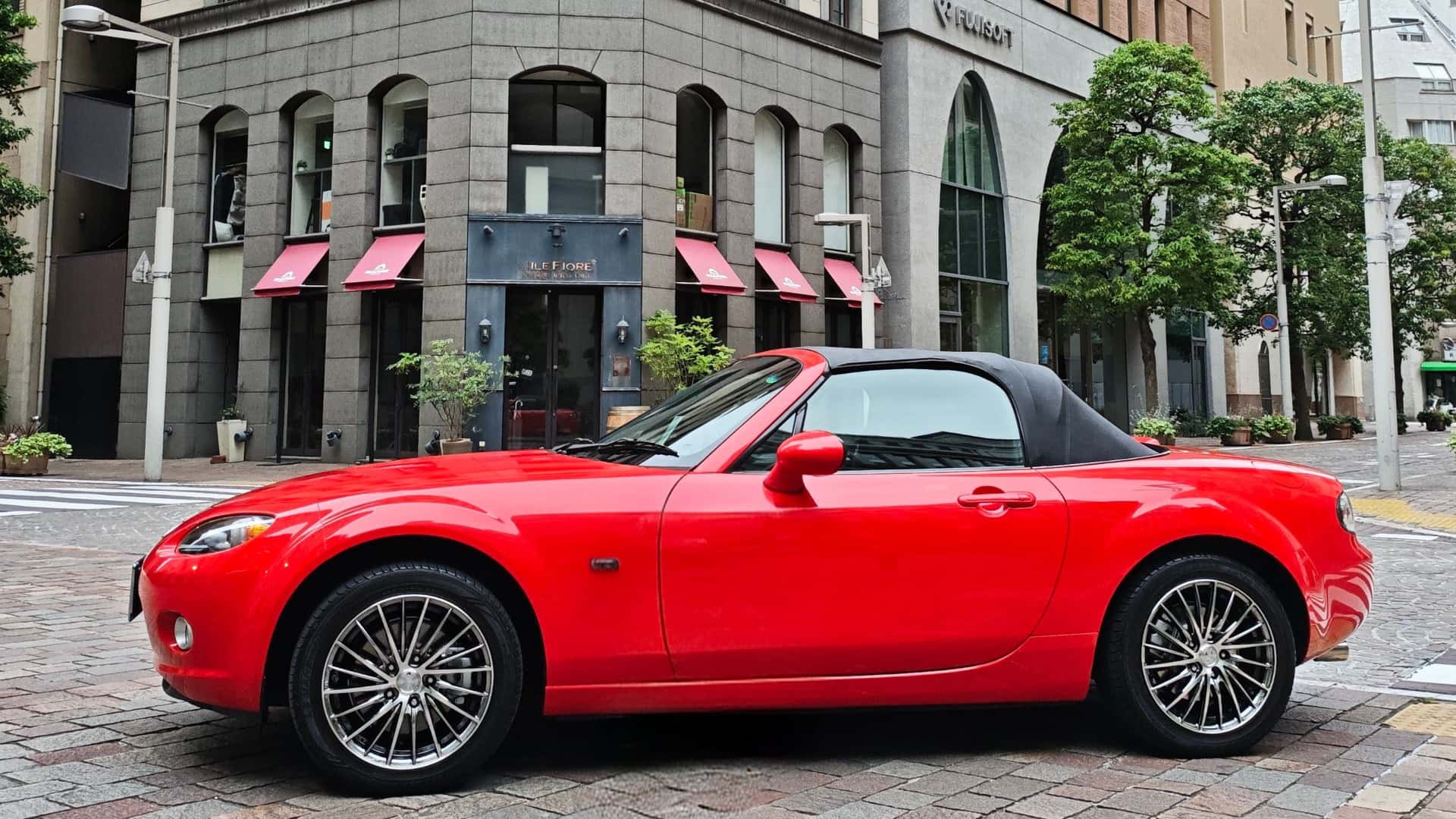
A Convertible can bring a welcome sense of freedom to familiar roads around Salmon, ID. Lowering the roof transforms an ordinary drive by opening the cabin to fresh air, natural light, mountain views, and the sounds of the surrounding landscape. Roof design plays a major role in how easily an owner can enjoy that experience throughout changing seasons and daily routines. A folding soft top, retractable hardtop, removable roof panel, or partially opening roof can influence cabin comfort, storage flexibility, maintenance habits, and everyday convenience. Those differences deserve careful consideration because the roof is an active part of the vehicle rather than a purely visual feature. Local conditions can also shape which design feels most practical during ownership. Bright summer afternoons may invite open-air travel, while cool mornings, sudden rain, dust, and winter conditions make a secure closed cabin equally important.
Finding a Roof That Fits Daily Life
Understanding the main Convertible roof designs creates a useful starting point for comparing ownership experiences. Each configuration offers its own balance of open-air access, weather protection, visual character, and operating convenience. The best choice usually depends on the driver’s routine rather than the appearance of the roof alone. Someone planning occasional river outings may value different qualities than a person intending to commute or run errands in a Convertible.
Different Paths to Open-Air Driving
Common Convertible roof designs include folding soft tops, retractable hardtops, removable panels, and roofs that open above only part of the cabin. A soft top generally uses layered fabric supported by a frame that folds into a designated storage area. A retractable hardtop uses rigid sections that move into the body through an integrated mechanism. Removable panels provide open-air access after the owner takes out and stores one or more roof sections.
Soft tops often deliver the familiar silhouette many drivers associate with a classic Convertible. Their folding material may occupy less space than rigid panels, although the exact arrangement depends on the individual vehicle. Retractable hardtops can create a closed-cabin appearance that feels closer to a conventional coupe, but their panels still need a dedicated storage area. Removable sections offer a direct and engaging experience, though owners must plan where to keep the panels after removal.
Matching Roof Operation to a Routine
Convenient roof operation can make open-air driving easier to enjoy on a regular basis. A driver who frequently encounters changing weather may prefer a system that can be raised or lowered with minimal preparation. Another owner may be comfortable removing panels manually because the vehicle will mainly be used for planned weekend outings. Parking arrangements also matter because some roof procedures may require extra clearance around or above the vehicle.
Shoppers should learn the complete opening and closing procedure before deciding that a roof design suits their lifestyle. This evaluation should include any latches, storage covers, movable panels, or steps needed to secure the cabin. It is also helpful to observe how the windows interact with the roof and how clearly the driver can see behind the vehicle once everything is in position.
Living Comfortably With the Roof
Once shoppers understand the main roof choices, attention can shift to everyday comfort inside the Convertible. Roof position can change temperature management, airflow, conversation quality, outward visibility, and the overall sense of space. These differences become especially noticeable during commuting, errands, and longer drives around Salmon. An enjoyable roof-down experience should be balanced by a closed cabin that remains comfortable when conditions change.
Comfort With the Cabin Open
Driving with the roof lowered brings occupants closer to the surrounding environment. Fresh air and broad views can make familiar routes feel renewed, particularly when the weather is mild and the road passes through scenic areas. At the same time, occupants receive greater exposure to sunlight, wind, cool temperatures, dust, and road sounds. Seat position, window height, cabin shape, and available wind-management features can influence how calm or lively the experience feels.
Personal preferences play a large role in determining how often a Convertible owner lowers the roof. Some drivers enjoy strong airflow and the direct sensation of an open cabin, while others prefer keeping the side windows raised for added shelter. Passengers may also have different comfort expectations, especially during longer outings or cooler evenings.
Quiet and Shelter With the Roof Closed
A Convertible spends many trips with its roof raised, so closed-cabin comfort deserves as much attention as the open-air experience. Roof material, sealing condition, window alignment, and overall fit help shape sound levels and protection from changing weather. A properly functioning roof should close consistently and meet surrounding surfaces without obvious gaps or irregular contact. Buyers should listen for unusual wind noise and check how comfortably the climate system maintains the cabin.
Soft-top and hardtop designs can create different impressions when the cabin is enclosed. Fabric construction preserves traditional Convertible character, while rigid panels may give the interior a stronger visual sense of enclosure.
Balancing Freedom With Practical Needs
The appeal of a Convertible often begins with roof-down driving, but everyday satisfaction also depends on practical details. Seating access, rearward visibility, cargo capacity, and parking habits can all be affected by the roof design. These factors matter during grocery runs, workday travel, overnight trips, and recreational outings. A vehicle that supports those routines will be easier to enjoy beyond occasional scenic drives.
Cargo Space in Every Roof Position
Roof storage is one of the clearest ways that design influences Convertible practicality. A folding roof requires a dedicated place to rest when lowered, and that area may overlap with space that could otherwise hold cargo. Retractable hardtop panels can demand additional room because rigid sections cannot compress like fabric. Removable panels create a different consideration because the owner needs a secure place to keep them during open-air travel.
Shoppers should consider the items they carry regularly instead of relying only on published cargo measurements. Groceries, work bags, outdoor equipment, jackets, and weekend luggage can occupy space in very different ways. The shape of the opening and the accessibility of the compartment may matter as much as its overall size. It is also important to confirm that belongings will not interfere with roof movement or storage. A Convertible that accommodates familiar cargo without constant rearranging will feel far more practical during long-term ownership.
Commuting and Errands Without Compromise
A Convertible can support commuting and errands when its roof operation, visibility, seating, and storage align with the driver’s schedule. Quick access to the cabin becomes valuable during busy mornings, especially when weather conditions may change before the return trip. Drivers who park in several locations throughout the day should also consider how confidently and efficiently the roof can be secured. Interior storage areas can help protect small belongings that should not remain exposed when the cabin is open.
Passenger needs deserve similar attention because roof design may affect rear seating, entry, and available headroom. Some Convertible shoppers rarely carry additional occupants, while others expect the vehicle to handle social outings or family trips. A realistic seating test can show how easily passengers enter, settle in, and remain comfortable with the roof in each position. Visibility should also be checked carefully because the raised roof may change the driver’s view toward the rear corners.
Preparing for Seasons and Long-Term Care
Roof design continues to shape the ownership experience after the excitement of the first open-air drive. Changing seasons, outdoor parking, routine cleaning, and repeated operation all place different demands on a Convertible roof. Consistent care can help preserve smooth movement, a tidy cabin, and dependable protection from the elements.
Care Habits That Support Roof Condition
Routine roof care generally begins with gentle cleaning, regular visual checks, and correct operation. Owners should watch for worn seals, trapped debris, moisture, unusual sounds, or changes in the way the roof meets the windows and body. Soft-top material may call for cleaning methods intended for fabric, while rigid panels can require care similar to other painted exterior surfaces. Drainage areas and contact points should remain clear so dirt and water do not collect around moving components.
Forcing a roof that hesitates or appears obstructed can create additional problems. The owner should first check for loose belongings, ice, accumulated debris, or another visible obstruction before attempting further movement. Roof operation should take place according to the procedure intended for the individual vehicle. Regular use can also make it easier to notice changes in sound, speed, alignment, or movement.
Seasonal Use Around Salmon
A Convertible may support year-round driving when its overall condition and roof protection suit the conditions the owner expects to encounter. During colder or wetter periods, the closed roof becomes especially important for keeping the cabin sheltered and comfortable. Snow, ice, and debris should be removed carefully before the roof is operated. Open-air driving should be reserved for suitable conditions, with attention given to temperature, road surfaces, and changing weather. Seasonal preparation allows the vehicle to remain useful even when the roof stays closed for extended periods.
Indoor storage can reduce prolonged exposure to sunlight, precipitation, airborne debris, and temperature changes. It may be especially helpful for a Convertible that is driven occasionally or parked for long stretches. Outdoor storage can still be manageable when the roof closes properly, and the owner follows consistent cleaning and inspection habits. After severe weather, checking the cabin and surrounding seals can help identify moisture or debris before it becomes an ongoing concern.
Choosing a Convertible With Confidence
The final decision should look beyond the visual excitement of lowering the roof. A Convertible needs to support the driver’s passenger requirements, cargo habits, parking situation, seasonal plans, and willingness to care for an additional moving system. Long-term satisfaction often comes from choosing a design that feels easy to live with during ordinary trips. It also depends on checking the prospective vehicle carefully and confirming that each roof function operates as expected.
Inspecting a Pre-Owned Roof Carefully
A pre-owned Convertible deserves close inspection of its roof material, seals, windows, storage area, latches, trim, and operating components. The roof should be raised and lowered through a complete cycle while the shopper listens for unusual sounds and watches for hesitation or uneven movement. Its edges should meet surrounding surfaces consistently, and the cabin should be checked for dampness, staining, musty odors, or other possible signs of water entry. The cargo compartment should also be examined in every roof position so its practical limits are clear.
Past care can strongly influence how a pre-owned roof feels during operation. Clean contact areas, consistent alignment, and orderly movement may indicate attentive ownership, although they do not replace a complete inspection. Shoppers should avoid assuming that attractive exterior styling confirms the condition of the full system. Time spent checking the closed cabin is equally important because many trips will occur with the roof raised.
Recognizing the Right Ownership Match
A Convertible often suits someone who values driving atmosphere, scenic travel, and a closer connection to the surroundings. It can also work well for a driver with realistic expectations about passenger space, cargo flexibility, roof care, and seasonal use. Satisfied owners generally appreciate the vehicle with the roof closed as well as open because changing conditions will regularly call for an enclosed cabin. Buyers who frequently carry several passengers or bulky equipment should examine practicality with additional care.
Drivers ready to experience how roof design changes a Convertible can visit Salmon River Quality Motors in Salmon, ID. Our team can help shoppers examine roof operation, cabin comfort, visibility, seating, and cargo space in person. A hands-on review makes it easier to compare open and closed configurations in a practical setting. The goal is to find a Convertible that brings open-air enjoyment to Salmon roads while remaining comfortable and practical for everyday ownership.
0 comment(s) so far on Roof Design Changes the Ownership Experience of a Convertible in Salmon, ID